Cours de Français Langue étrangères (FLE) au French Institute
Discover the enriching journey of mastering French at the French Institute! Our specialized French as a Foreign Language (FLE) courses are designed for language enthusiasts eager to immerse themselves in French culture and communication. Whether starting from scratch or polishing your proficiency, we offer a variety of classes tailored to meet your linguistic goals, with experienced instructors and a supportive learning environment. Join us to unlock new opportunities and deepen your understanding of the Francophone world.
Exploring the Curriculum: French as a Foreign Language (FLE) at the French Institute

Comprehensive Course Offerings
At the French Institute, the French as a Foreign Language (FLE) curriculum is designed to cater to a diverse range of students, from beginners to advanced learners. Our courses meticulously cover all aspects of the French language, including grammar, vocabulary, pronunciation, and cultural nuances. Students can choose from a variety of course formats such as intensive, standard, and part-time learning, allowing them to tailor their studies to fit their personal and professional commitments.
Innovative Learning Methods
The French Institute employs state-of-the-art teaching methodologies that integrate the latest educational technologies and interactive tools. These include multimedia resources, online exercises, and real-time language practice platforms. Our approach emphasizes practical language usage, ensuring that students not only learn French in theory but also gain the confidence to speak and use the language proficiently in everyday situations.
Cultural Immersion
Understanding that language learning is deeply connected to cultural exposure, the French Institute incorporates various cultural immersion activities into the FLE curriculum. This includes workshops on French cuisine, cinema, history, and art. Additionally, we organize regular field trips to local museums, historical sites, and cultural events, providing students with a holistic learning experience that goes beyond textbooks.
Experienced Faculty
Our educators are not only native French speakers but also certified language instructors with extensive experience in teaching French as a foreign language. They are passionate about making learning an engaging and enriching experience. The educators are approachable and supportive, offering personalized attention to address the individual challenges faced by students.
Assessment and Certification
Progress assessments are a crucial part of the learning process at the French Institute. Through regular quizzes, oral presentations, and written exams, we monitor the learners’ advancement in their language skills. Upon successful completion of the course, students receive a certificate that is recognized by various educational and professional institutions, which can greatly aid in further studies or career opportunities where French language skills are required.
Support Services
The French Institute provides extensive support services to assist students throughout their language learning journey. These include a language resource center equipped with books, films, and other materials in French, as well as access to tutoring and language exchange programs. Students can also benefit from online forums and discussion groups that encourage interaction with fellow learners and facilitate practice in a supportive environment.
Customized Learning Paths
Recognizing that each student has unique learning needs, the FLE curriculum at the French Institute offers customized learning paths that can be adapted as per individual learning speeds and specific language objectives. Whether the student is preparing for an exam, planning to move to a French-speaking region, or simply learning for personal enrichment, our courses can be perfectly tailored to meet their goals.
The French Institute is committed to providing an exceptional educational experience that prepares students to use French effectively and confidently in various contexts. With a strong focus on practical skills, cultural immersion, and comprehensive support, our FLE courses stand as a beacon of quality language education in the heart of Aix-en-Provence.

Où trouver des cours de Français Langue étrangères (FLE) en présentiel à Aix ?
Are you searching for French as a Foreign Language (FLE) courses in Aix? This article will guide you through the best institutions, classroom environments, and strategies to enrich your learning experience in one of France’s most charming cities. Discover where…
Teaching Methods for FLE at the French Institute

At the French Institute, we offer a comprehensive approach to teaching French as a Foreign Language (FLE) that caters to a diverse student population. Our innovative teaching methods are designed to maximize language acquisition and ensure students can communicate effectively in French. Here’s an overview of the pedagogical approaches we employ.
Interactive and Communicative Language Teaching
Our primary focus is on interactive and communicative language teaching, which encourages students to participate actively in their learning process. This method emphasizes the practical use of French in real-life situations. Students engage in role-playing, group discussions, and problem-solving activities that replicate everyday scenarios. This exposure to contextualized French enhances their ability to understand and use the language fluidly.
Integration of Technology in Language Learning
Technology plays a crucial role in our teaching methodologies. We incorporate a variety of digital tools to aid in learning and retention. Online platforms, interactive software, and language apps are regularly used during lessons to provide an enriching educational experience. These technologies offer personalized learning paths, immediate feedback, and a range of interactive exercises that make learning engaging and effective.
Task-Based Learning
Task-based learning is another cornerstone of our teaching philosophy. This approach involves students completing tasks that require the use of language as a tool rather than as an end in itself. Tasks might include planning a trip, conducting an interview, or writing a restaurant review in French. This method helps students to develop practical language skills that are directly applicable to their daily lives and future career needs.
Cultural Immersion
Understanding and appreciating French culture is integral to mastering the language. At the French Institute, cultural immersion is woven into each course. We explore French literature, films, music, and history, which not only enhances language proficiency but also gives students a deeper appreciation of the cultural nuances of French-speaking countries.
Personalized Feedback and Support
We believe that personalized feedback is essential for learner progress. Instructors closely monitor student performance and provide targeted feedback to help them refine their skills. Regular assessments and one-on-one sessions ensure that each student receives the support and guidance they need to advance their proficiency in French.
Collaborative Learning Environment
A supportive and collaborative learning environment is vital for student success. Our classes are designed to foster collaboration among students, allowing for peer learning and shared experiences. This collaborative setting not only enhances language skills but also helps in building an international community at the institute.
By employing these comprehensive teaching methods, the French Institute continues to uphold its reputation as a leader in FLE education. Our focus on combining traditional techniques with modern innovations ensures that all students receive a well-rounded and effective linguistic and cultural education.
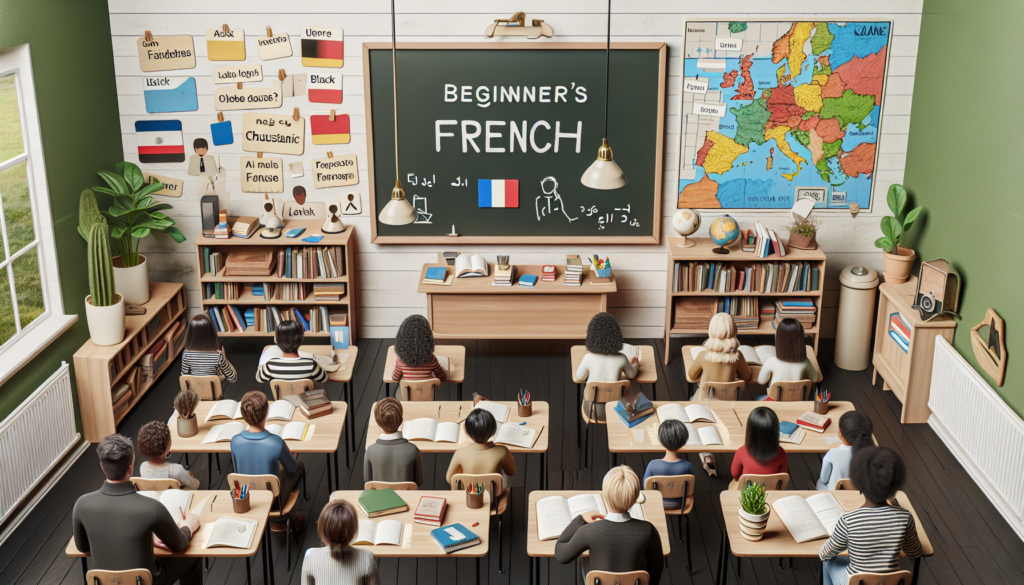
Quels sont les meilleurs cours de Français Langue étrangères (FLE) pour débutants ?
Embarking on the journey to learn a new language can be as thrilling as it is daunting, especially when that language is French. Whether it’s to boost your career, for educational purposes, or simply to dive into a new culture,…
Assessing Progress in French Language Learning

Learning a new language is a dynamic process where the progression of each individual varies considerably based on numerous factors including personal motivation, exposure to the language, and the frequency of language use both in academic settings and everyday life. When it comes to French as a Foreign Language (FLE), assessments play a critical role in tracking a learner’s progress and ensuring that language acquisition is effective, comprehensive, and continuous.
Key Components of Language Assessment
The assessment of French language skills encompasses several dimensions: listening, speaking, reading, and writing. Each of these skills is crucial and needs to be evaluated to get a holistic view of a student’s competence and proficiency in French. Effective language assessment typically incorporates both formative and summative assessments which facilitate ongoing feedback and a final evaluation of a student’s capabilities.
- Formative Assessments: These are conducted periodically throughout a course. They aim to provide immediate feedback to students and instructors about the learner’s strengths and weaknesses. Common formative assessments include pop quizzes, oral presentations, and regular homework assignments.
- Summative Assessments: These occur at the end of a course or a specific period and evaluate the knowledge the student has consolidated over time. Examples include standardized tests, final projects, and comprehensive oral exams.
Techniques for Effective Tracking of Progress
To accurately assess and track the progress in French language learning, educators often employ a variety of tools and techniques. One prevalent method is the Common European Framework of Reference for Languages (CEFR), which provides a standardized scale for grading an individual’s language ability. It ranges from A1 for beginners to C2 for those approaching mastery. The CEFR helps educators tailor their teaching strategies to fit the needs of the students and provides learners with clear milestones and goals.
Another pivotal tool is the portfolio approach, where students compile their work throughout their learning journey. This portfolio then serves as a tangible record of their linguistic development, showcasing growth and areas that require more focus.
Adjusting Learning Strategies Based on Assessment Results
Continuous monitoring of progress allows for the adjustment of learning strategies to optimize language acquisition. If a student is excelling in reading but struggling in speaking, tailored speaking exercises can be introduced to stimulate improvement. Conversely, advanced students might benefit from higher-level texts and opportunities to engage in sophisticated conversations.
Moreover, regular assessments help in identifying not only areas of need but also the preferred learning styles of different students. Some might thrive with visual learning aids, while others benefit from auditory inputs or kinesthetic activities. Recognizing these preferences enhances the educational approach, making learning both enjoyable and efficient.
In conclusion, regular and structured assessments are vital in the educational journey of learning French as a Foreign Language (FLE). They not only benchmark progress but also inform teaching strategies, thereby facilitating a more personalized and effective learning experience. The role of assessments in FLE is therefore indispensable in cultivating a proficient and confident French speaker.

Comment choisir un cours de Français Langue étrangères (FLE) adapté à son niveau ?
Choosing the right French as a Foreign Language (FLE) course can be pivotal in your language learning journey. This article explores key factors to consider, including course content, teaching style, and skill level assessments, to ensure you select a program…
Cultural Immersion and Activities in FLE Courses
Learning French is more than just mastering grammatical rules and expanding vocabulary. At the French Institute, we believe that cultural immersion plays a crucial role in effectively understanding and using the language. Incorporating French culture into our French as a Foreign Language (FFL) courses, we offer a comprehensive approach that blends traditional language learning with cultural exposure and activities. This method not only enhances linguistic proficiency but also enriches the overall learning experience.
Exploring French Culture Through Language
In our French language courses, we integrate cultural elements that provide a contextual backdrop to the language structures being taught. This includes exploration of French customs, traditional practices, and historical contexts. Understanding these aspects helps students gain a deeper appreciation of the language and how it reflects the cultural identity of its speakers.
Activities for Cultural and Linguistic Engagement
Activities are a fundamental component of our approach to teaching FFL. We design these activities to immerse students in the French environment actively and engagingly. Some of the key activities include:
- Cooking Classes: Students participate in cooking sessions where they learn how to prepare classic French dishes. This activity helps in learning culinary-specific vocabulary and the cultural significance of various food items in French life.
- Film Screenings: Watching French movies not only aids in listening skills but also provides insights into French society, humor, and historical periods.
- Field Trips: We organize visits to local museums, historical sites, and cultural events around Aix-en-Provence. Such excursions enhance the language learning by allowing students to practice their French in real-world settings.
- Literature Circles: Discussing French literature, from classics to modern works, facilitates a deeper understanding of the language and its nuances. These discussions also foster critical thinking and debate in French.
Benefits of Cultural Immersion
The benefits of integrating cultural immersion into our French language courses are significant. Firstly, it makes learning more enjoyable and less monotonous. Students are more likely to retain information and stay motivated when their curriculum includes a variety of engaging and practical activities. Moreover, cultural understanding boosts the students’ ability to use the language authentically in various social contexts, preparing them for real-life interactions and professional communicative settings in French-speaking environments.
Overall, by combining language instruction with cultural immersion, our FFL courses at the French Institute not only equip students with strong linguistic skills but also provide them with a richer, more rounded understanding of the Francophone world. This holistic approach ensures that students are well-prepared for any personal or professional challenges they might encounter in their future endeavors in French-speaking regions.

Quels sont les tarifs des cours de Français Langue étrangères (FLE) ?
Discover the diverse pricing options for French as a Foreign Language (FLE) courses in our comprehensive guide. Whether you’re a beginner or advancing your fluency, learn about the various course structures, prices, and what to expect from your investment in…