Comment choisir un cours de Français Langue étrangères (FLE) adapté à son niveau ?
Choosing the right French as a Foreign Language (FLE) course can be pivotal in your language learning journey. This article explores key factors to consider, including course content, teaching style, and skill level assessments, to ensure you select a program that best fits your individual needs and goals. Whether you’re a beginner or looking to polish your proficiency, find out how to make an informed decision that will enhance your command of the French language.
Understanding Different Levels in FLE Courses

French as a Foreign Language: Understanding Different Levels in FLE Courses
Learning French as a foreign language (FLE) can be a rewarding and enriching experience that opens numerous cultural and professional doors. Aspiring learners often wonder about the structure of FLE courses and the progression through different expertise levels. Understanding the various levels is crucial for selecting a course that aligns with educational goals and personal language proficiency.
Overview of FLE Course Levels
FLE courses are structured according to the Common European Framework of Reference for Languages (CEFR), which provides a standardized scale for grading an individual’s language understanding. This structure ensures that learners can pick up where they left off, regardless of where they study in the world.
Beginner Levels: A1 and A2
At the beginner level, two sub-levels help learners gradually build basic communication skills in French.
- A1 – Breakthrough or Beginner: This level helps students understand and use everyday expressions. It focuses on satisfying basic needs for communication and mastering basic grammar and vocabulary.
- A2 – Waystage or Elementary: Here, students begin to communicate in simple terms about routine tasks requiring a direct exchange of information on familiar matters. The course content builds on the foundations laid at the A1 level to help enhance confidence in simple interactions.
Intermediate Levels: B1 and B2
The intermediate levels further develop language skills, preparing students for more complex conversations and higher levels of interaction.
- B1 – Threshold or Intermediate: This level sees learners gaining the ability to deal with most situations likely to arise while living in an area where the language is spoken. They can connect phrases in a simple way to describe experiences, dreams, hopes, and ambitions.
- B2 – Vantage or Upper Intermediate: At this stage, students can understand the main ideas of complex text on both concrete and abstract topics. Learners become capable of interacting with a degree of fluency and spontaneity with native speakers without strain for either party.
Advanced Levels: C1 and C2
The advanced levels are designed for refining and perfecting language proficiency, enabling nuanced and sophisticated use of French.
- C1 – Effective Operational Proficiency or Advanced: This level allows students to express ideas fluently and spontaneously without much obvious searching for expressions. They can use the language flexibly and effectively for social, academic, and professional purposes.
- C2 – Mastery or Proficiency: The pinnacle of French learning, this level denotes a near-native ability of language usage. Learners at this level can summarize information from different spoken and written sources, and reconstruct arguments cohesively and coherently.
Choosing the right level in FLE courses involves an honest assessment of your current language proficiency and your learning objectives. Institutions often offer placement tests to accurately determine which level would be most suitable for new students.
Embarking on learning French through structured FLE courses allows language learners to systematically develop and improve their proficiency across speaking, writing, listening, and reading skills. The structured levels ensure no matter where one begins or wants to end, the journey through French language acquisition is well defined and catered to comprehensive learning and proficiency.

Où trouver des cours de Français Langue étrangères (FLE) en présentiel à Aix ?
Are you searching for French as a Foreign Language (FLE) courses in Aix? This article will guide you through the best institutions, classroom environments, and strategies to enrich your learning experience in one of France’s most charming cities. Discover where…
Criteria for Selecting the Right FLE Program

Understanding Your Learning Objectives
Before selecting a French as a Foreign Language (FLE) course, it is crucial to identify your specific learning goals. Are you aiming to enhance your day-to-day conversational skills, or do you need to master the language for academic or professional purposes? Understanding your objectives will help you choose a course that is tailored to your needs, whether it’s preparing for a language proficiency test or becoming fluent enough to interact confidently in a francophone environment.
Evaluating Course Accreditation and Reputation
The credibility of a FLE program often rests on its accreditation and the reputation of the institution offering it. Accreditation from recognized bodies ensures that the course meets high educational standards. Additionally, research the institution’s history, its faculty qualifications, and former student reviews. These elements collectively contribute to making an informed decision about the quality of the program.
Curriculum and Learning Material
A comprehensive curriculum is essential for a well-rounded understanding of the French language. Check if the program provides a balance of grammar, vocabulary, reading, writing, listening, and speaking skills. The inclusion of cultural studies can also enhance your learning experience by providing deeper insights into the French way of life and norms. Additionally, inquire about the learning materials used; interactive tools such as video lessons, audio podcasts, and integrated language apps can significantly enrich your learning process.
Class Size and Instructor Interaction
Small class sizes are preferable for language learning as they ensure more personalized attention from instructors and better interaction opportunities with peers. This setting fosters a supportive learning environment where students can practice more freely and receive immediate feedback on their progress. Understand the student-to-teacher ratio and how it may affect your learning.
Flexible Scheduling and Course Duration
Your personal schedule is an important factor when choosing a FLE program. Look for courses that offer flexibility in terms of timing and duration. Some programs offer intensive short courses that are suitable if you wish to learn quickly. Others might provide long-term courses with a slow, steady approach. Consider your availability and how it aligns with the course schedules being offered.
Availability of Online Resources and Support
In today’s digital age, having access to online resources is a vital part of learning. Digital tools can greatly facilitate your mastery of the language. Check if the course provides supplementary online materials that can help reinforce what is taught during regular lessons. Additionally, look for programs that offer virtual interaction with mentors or tutors for guidance outside the traditional classroom setting.
Location and Accessibility
If you prefer in-person classes, consider the location of the language institute. Is it easily accessible from where you live or work? The convenience of getting to your classes can affect your consistency and enthusiasm towards learning. Additionally, settings that offer a real immersion experience, such as those in French-speaking regions, can dramatically enhance your language acquisition.
Cost of the Program
Finally, evaluate the cost of the FLE programs under consideration. Determine what is included in the tuition fees—such as textbooks, access to online resources, and any extra-curricular activities. Ensure there are no hidden costs and consider your budget to find a program that offers good value for money.
Finding the right FLE course is a significant step towards mastering the French language. By considering these key criteria, you can select a program that best fits your learning style, goals, and personal circumstances, ensuring a productive and enjoyable language learning journey.
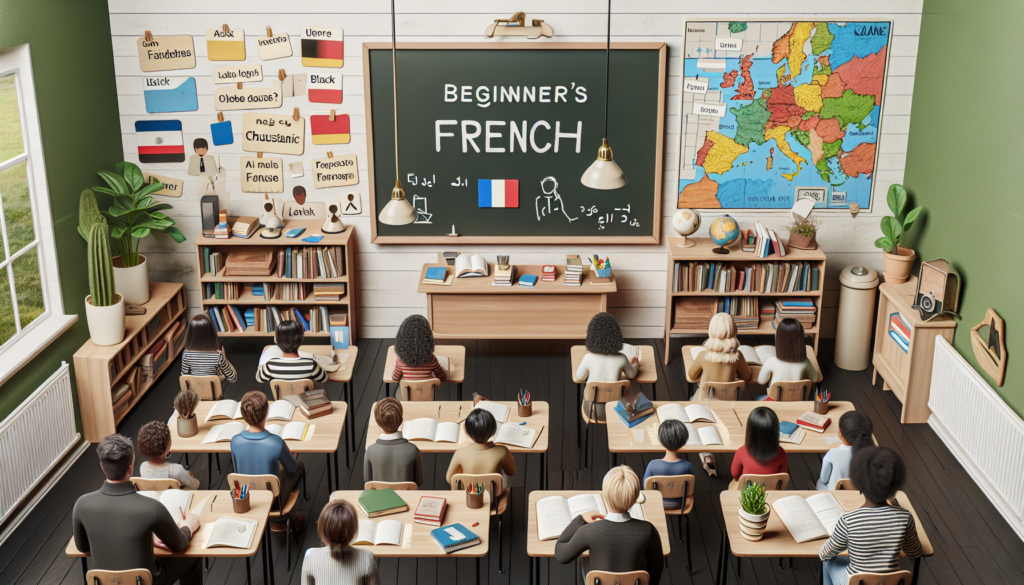
Quels sont les meilleurs cours de Français Langue étrangères (FLE) pour débutants ?
Embarking on the journey to learn a new language can be as thrilling as it is daunting, especially when that language is French. Whether it’s to boost your career, for educational purposes, or simply to dive into a new culture,…
Exploring Learning Styles and Methods in FLE

French as a Foreign Language: Exploring Learning Styles and Methods in FLE
Learning French as a foreign language (FLE) presents several pathways tailored to different learning styles and preferences. Each student’s journey to mastering French can vary significantly depending on these individual learning styles and the teaching methods applied. Understanding these can help structure a more effective and enjoyable learning experience.
Visual Learning in FLE
Visual learners thrive on observing and seeing what they learn. In the context of FLE, visual learning can be significantly enhanced through the use of charts, infographics, and videos that illustrate grammatical structures, vocabulary themes, and cultural context. Flashcards are another indispensable tool for visual learners, helping to reinforce vocabulary recall and comprehension through repeated exposure.
Auditory Learning Strategies
Auditory learners benefit greatly from listening. French language courses for these learners focus heavily on interaction and spoken communication. Audio resources such as French songs, podcasts, and dialogues play a crucial role in developing listening skills. Interactive classes that encourage speaking and repetition also aid auditory learners in mastering pronunciation and intonation.
Kinesthetic Learning Approaches
Kinesthetic learners absorb information best through action and direct physical involvement. For FLE, this might involve role-playing exercises, interactive games, or other hands-on activities that require students to move about and physically engage with the material. For instance, arranging a group activity that mimics shopping at a French market could help learners practice language skills in a simulated real-life context.
Combining Learning Styles
Most language learners benefit from a combination of learning styles. Therefore, a blended approach often proves most effective in teaching French as a foreign language. This method integrates visual aids, auditory tools, and kinesthetic activities to cater to a broad range of preferences and enhance the learning experience. Utilizing a variety of teaching methods not only keeps learners engaged but also deepens their understanding and retention of the language.
Role of Technology in FLE
In today’s digital age, the role of technology in learning French as a foreign language cannot be overstated. Online platforms and software provide interactive resources that make learning engaging and accessible. These tools can tailor learning experiences to individual needs and pace, incorporating multimedia content that appeals to various learning styles. From digital flashcards and online exercises for vocabulary acquisition to video calls with native speakers for practical conversation practice, technology is an invaluable ally in the FLE learning process.
Importance of Cultural Immersion
Understanding and appreciating French culture is integral to mastering the language. This aspect of learning goes beyond traditional linguistic skills, encouraging deeper engagement with the language. Cultural immersion can be facilitated through various activities such as participating in French cooking classes, viewing French films, or discussing French literature. These experiences enrich the learning process and provide contextual relevance that helps solidify language comprehension and usage.
Each learning style and method serves as a valuable component in the multifaceted approach to learning French as a foreign language. By recognizing and incorporating these diverse strategies, educators and learners alike can optimize the educational journey towards fluency in French.

Quels sont les tarifs des cours de Français Langue étrangères (FLE) ?
Discover the diverse pricing options for French as a Foreign Language (FLE) courses in our comprehensive guide. Whether you’re a beginner or advancing your fluency, learn about the various course structures, prices, and what to expect from your investment in…
Evaluating FLE Course Instructors and Teaching Techniques
Choosing the right French as a Foreign Language (FLE) course is crucial for learners aiming to master the French language effectively. The quality of FLE instructors and the teaching techniques they employ play a significant role in the overall learning experience and outcomes. This section provides an evaluation framework that can help learners assess the qualifications and teaching methods of FLE course instructors.
Qualifications and Experience of Instructors
The educational background and practical experience of FLE instructors are fundamental elements to consider. Qualified instructors should ideally have a specialized degree in French language studies or education. Additionally, certifications in teaching French as a foreign language, such as the DAEFLE or similar qualifications, indicate that the instructor has received formal training in pedagogical techniques specific to language instruction.
Experience is another critical factor. Instructors with extensive teaching experience are likely to have refined their teaching methods and classroom management skills. They are also better equipped to handle the diverse needs of learners and adapt their teaching styles accordingly.
Innovative Teaching Techniques
Modern FLE courses integrate various innovative teaching techniques that enhance learning. These might include interactive group activities, multimedia resources, and language games. Effective use of these tools can significantly increase engagement and motivation among students, making the learning process more enjoyable and effective.
One popular technique is the use of real-life scenarios that enable students to practice French in contexts they are likely to encounter outside the classroom. This approach helps bridge the gap between theoretical knowledge and practical usage.
Assessing Classroom Dynamics
Classroom dynamics are also crucial in evaluating FLE instructors. A positive learning environment where students feel comfortable participating and making mistakes is essential for language acquisition. Observing a class session can provide insights into the instructor’s ability to create a supportive and interactive classroom atmosphere.
Effective instructors should demonstrate the ability to facilitate discussions, encourage collaborative learning, and provide constructive feedback that guides students towards improvement without discouraging them.
Feedback and Continual Improvement
Finally, the process of continual improvement based on feedback from students distinguishes outstanding instructors. Look for instructors who solicit feedback regularly and are committed to adjusting their teaching methods in response to student needs and preferences. This adaptability ensures that the courses remain relevant and effective over time.
By evaluating FLE instructors on these criteria, learners can better choose a course that will provide them with the best possible foundation in the French language, tailored to their individual learning styles and goals.