Quels sont les tarifs des cours de Français Langue étrangères (FLE) ?
Discover the diverse pricing options for French as a Foreign Language (FLE) courses in our comprehensive guide. Whether you’re a beginner or advancing your fluency, learn about the various course structures, prices, and what to expect from your investment in mastering this beautiful and strategic language.
Exploring Pricing Structures for FLE Courses

When considering enrolling in a French as a Foreign Language (FLE) course, one of the primary factors most students focus on is the cost. Understanding the different pricing structures for FLE courses can help learners make an informed decision that aligns with their budget and learning objectives.
Types of Course Offerings and Their Pricing
FLE courses are offered in various formats, each with its unique pricing model. Generally, these can be categorized into intensive courses, extensive courses, and private tutoring. Intensive courses, which often consist of daily sessions over a few weeks, are typically priced higher due to their comprehensive nature and the quick learning pace they provide. Extensive courses, on the other hand, are spread out over a longer period, usually once or twice a week, and are less expensive per session compared to intensive courses. Private tutoring rates are usually the highest, reflecting the personalized attention and flexibility in scheduling and curriculum.
Group vs. Individual Lessons
The choice between group and individual lessons also affects the cost of FLE courses. Group classes are generally more affordable as the cost is distributed among several students. They provide a dynamic environment where learners can interact and practice French with peers at a similar level. Conversely, individual lessons provide a one-on-one experience with the instructor, offering more personalized guidance and attention, thus commanding a higher price point.
Online vs. In-Person Classes
In the digital age, FLE courses are available both online and in-person, each coming with different pricing strategies. Online courses tend to be less costly than their in-person counterparts, primarily due to lower overhead costs for the institution. They also offer greater flexibility and accessibility, which can be a cost-effective solution for students not residing in French-speaking regions. In-person classes, however, involve physical interaction and immersion, which can be crucial for effective language learning, albeit at a higher cost.
Package Deals and Subscription Models
Many FLE programs offer package deals or subscription models that allow students to purchase multiple courses or continuous enrollment at a discounted rate. These packages not only reduce the overall cost but also provide an extended learning period which is beneficial for language acquisition. Prospective students should inquire about these options as they can significantly lessen the financial burden while facilitating ongoing education.
Additional Costs to Consider
Apart from the direct costs of the courses, learners should also account for additional expenses such as textbooks, learning materials, and registration fees. Some institutions include these in the course fee, while others charge separately. Understanding all the costs involved can help in planning and budgeting effectively for your language learning journey.
Financial Aid and Scholarships
Prospective students should explore opportunities for financial aid or scholarships. Many educational institutions and language centers provide financial assistance to eligible students, which can substantially reduce the cost of learning French. Eligibility criteria can vary widely, so it’s important to review these options carefully and apply early.

Où trouver des cours de Français Langue étrangères (FLE) en présentiel à Aix ?
Are you searching for French as a Foreign Language (FLE) courses in Aix? This article will guide you through the best institutions, classroom environments, and strategies to enrich your learning experience in one of France’s most charming cities. Discover where…
Different Formats of FLE Lessons and Their Costs

Traditional Classroom Courses
French as a Foreign Language (FLE) can be studied in a traditional classroom setting, which is a popular choice among students who prefer a structured learning environment. These classes typically take place in educational institutions such as language schools or universities. The cost of traditional classroom courses varies depending on the institution’s prestige, location, and course intensity. Generally, prices can range from €200 to €1000 for a term, with courses lasting several weeks or an entire semester.
Online Courses
Online French courses offer flexibility and convenience for learners who may not have the time or ability to attend traditional classroom courses. These programs range from self-paced modules to structured classes with real-time instruction from a teacher. Costs for online FLE courses vary widely, starting as low as €100 for basic self-paced courses, and can go up to €500 or more for comprehensive instructor-led programs. The pricing often depends on the depth of the course content and the level of interaction with instructors.
Private Tutoring
Private tutoring is tailored to the specific needs of the learner, making it an effective way to improve French language skills quickly. Tutors can focus precisely on areas needing improvement, such as pronunciation or grammar. Private tutoring rates are usually charged by the hour, and can range from €30 to €60 per hour, depending on the tutor’s qualifications and experience.
Intensive Workshops
Intensive workshops or immersion programs are short-term courses that focus intensely on language improvement in a brief period. Typically lasting from a week to a month, these programs are perfect for learners preparing for exams or needing to enhance their language skills rapidly. Costs for these workshops generally start at around €400 and can go up to over €1000, depending on the duration and the institution offering the program.
Cost Comparison and Choosing the Right Option
When deciding the best learning approach, the key is to consider personal learning styles, budget, and language proficiency goals. Traditional classroom courses offer interaction and regularity, online courses provide flexibility, private tutoring offers personalized learning, and intensive workshops give a deep dive into the language. Each format has its merits, and the costs reflect the value they offer in achieving language competencies in French.
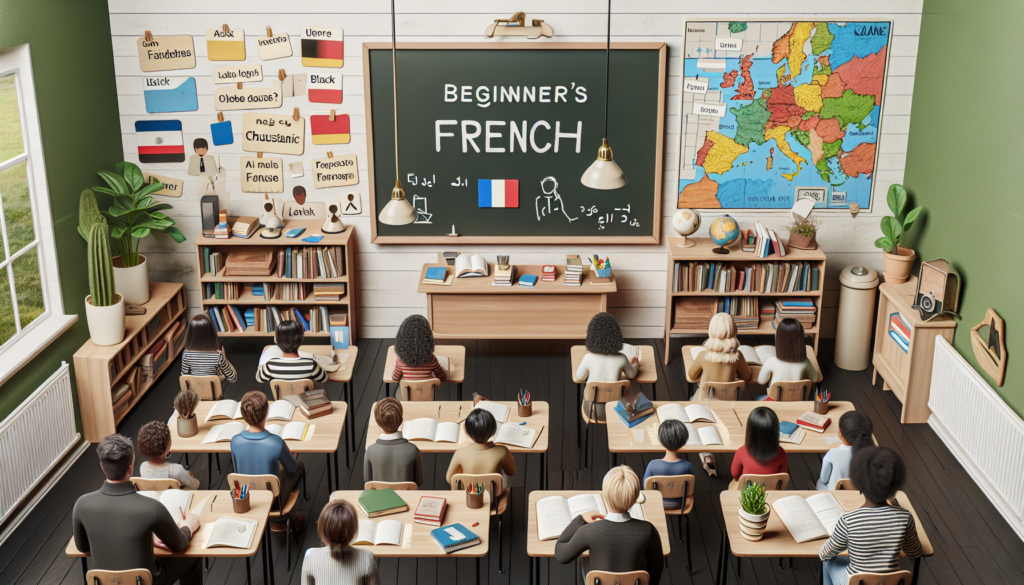
Quels sont les meilleurs cours de Français Langue étrangères (FLE) pour débutants ?
Embarking on the journey to learn a new language can be as thrilling as it is daunting, especially when that language is French. Whether it’s to boost your career, for educational purposes, or simply to dive into a new culture,…
Factors Influencing the Price of FLE Courses

When navigating the landscape of French as a Foreign Language (FLE) courses, potential students will encounter a variety of pricing structures. Understanding what factors contribute to the cost can assist in making an informed decision suited to both budget and learning objectives.
Location of the Course
The geographical location where FLE courses are offered significantly affects their price. Major cities or regions known for their cultural heritage, such as Paris or Aix-en-Provence, might have higher course fees compared to smaller towns or less popular destinations. Moreover, the cost of living in the area directly impacts the overall expenses involved in attending the course.
Type and Format of Course
The structure of the FLE course plays a crucial role in pricing. Intensive courses that offer a deep dive over a shorter period typically cost more due to the concentrated nature of teaching and resources required. Conversely, extensive courses spread over a longer period might be priced lower per session but could end up costing more overall. Additionally, private coaching sessions are priced higher than group lessons due to the personalized attention provided to the student.
Institution’s Brand and Reputation
The prestige and reputation of the institution offering FLE courses can influence the price. Established language schools or universities with a renowned language department are likely to charge more due to their proven track record in providing quality education and achieving satisfactory outcomes for their students.
Materials and Additional Resources
The cost of materials, such as textbooks, workbooks, and access to online platforms, can also affect the total price of an FLE course. Courses that include extensive resources, multimedia tools, and additional learning aids typically incur higher fees to cover these costs. Some courses may require students to purchase materials separately, which should be taken into account when evaluating the total expense of the course.
Teacher’s Expertise and Background
The qualifications and experience of the educators are paramount in determining the course fees. Highly qualified instructors, often with extensive experience or specialized skills in teaching FLE, command higher salaries, which in turn influences the pricing of the courses they lead. The depth of expertise can ensure a higher quality of instruction and potentially quicker language acquisition, which justifies the extra cost.
Accreditation and Certification Options
Courses that offer certified examinations or bear accreditation from recognized language education organizations usually carry higher price tags. These certifications can be crucial for students who need proof of their language capabilities for academic or professional reasons. Securing a certified diploma from accredited FLE courses can open doors in Francophone academic institutions or job markets, making it a worthwhile investment.
By considering these factors, prospective students can better understand where their tuition fees are going and what they are achieving in return. This understanding helps in choosing the right course that not only fits one’s budget but also meets educational needs and future aspirations.

Comment choisir un cours de Français Langue étrangères (FLE) adapté à son niveau ?
Choosing the right French as a Foreign Language (FLE) course can be pivotal in your language learning journey. This article explores key factors to consider, including course content, teaching style, and skill level assessments, to ensure you select a program…
Ways to Save on FLE Tuition Fees
A common concern for students like yourself considering French as a Foreign Language (FLE) courses is undoubtedly the cost associated with such studies. Fortunately, there are numerous strategies available which can significantly reduce these financial burdens while still providing high-quality education in the French language. Here, we’ll explore some practical ways to save on FLE tuition fees.
Choosing The Right Program
One initial step to saving on tuition is selecting the appropriate program that aligns with your learning goals and budget. At the French Institute, we offer a variety of FLE courses designed to cater to different learning needs – from intensive courses that prepare you in a short term for specific exams, to more spread-out coursework that can be tailored around your personal schedule and budget constraints.
Tips for Choosing the Right Program:
- Assess the course content to ensure it covers all the topics you need.
- Compare the duration of the programs – sometimes a slightly longer course can be more cost-effective in the long term.
- Check if the institution offers any bundled courses which can be cheaper than enrolling for individual courses separately.
Seeking Scholarship and Aid Opportunities
Investigate the availability of scholarships and financial aid that can significantly lessen tuition expenses. The French Institute often collaborates with various organizations and may have scholarships available, which could cover a part or even all of your tuition fees. Always ensure you reach out to the admissions office to inquire about the latest scholarship opportunities available for FLE students.
How to Access Scholarships and Financial Aid:
- Visit the institute’s website or contact the admission’s office to find available scholarships.
- Be mindful of application deadlines and required documents.
- Prepare a strong motivational letter to increase your chances of award approval.
Utilizing Early Payment Discounts
Many educational institutions offer discounts for early enrolment or upfront payment. At the French Institute, we encourage prospective students by providing a reduction in fees if the full course fee is paid before a specified date. Such offers not only help in saving money but also secure your place in the course.
Benefts of Early Payment:
- Lower tuition costs.
- Assured course enrollment.
- Financial peace of mind leading up to the course.
Part-Time Learning Options
Part-time learning can be a cost-effective alternative to full-time studies. This method is especially beneficial for those who are working or have other commitments and aren’t able to pursue full-time education. The French Institute offers part-time FLE courses which not only require a lower tuition fee but also allow you to spread the cost over a longer period.
Advantages of Part-Time Learning:
- More flexible payment and class schedule.
- The ability to work simultaneously and manage personal commitments.
- Reduced financial pressure as fees are distributed across a longer period.
Exploring these options will help you make an informed decision and select a path that best fits your educational and financial needs. By making strategic choices, you can achieve proficiency in French without overburdening your finances.