Speaking French in the digital age
In today’s interconnected world, mastering French is no longer confined to classrooms and textbooks. « Speaking French in the Digital Age » explores how technology is reshaping the way we learn and converse in French. From language apps and online courses to digital conversation partners and immersive VR experiences, this article delves into cutting-edge tools and strategies that enhance your fluency and confidence. Embrace the future of language learning and unlock the full potential of speaking French in the digital realm.
Harnessing Technology for French Language Acquisition
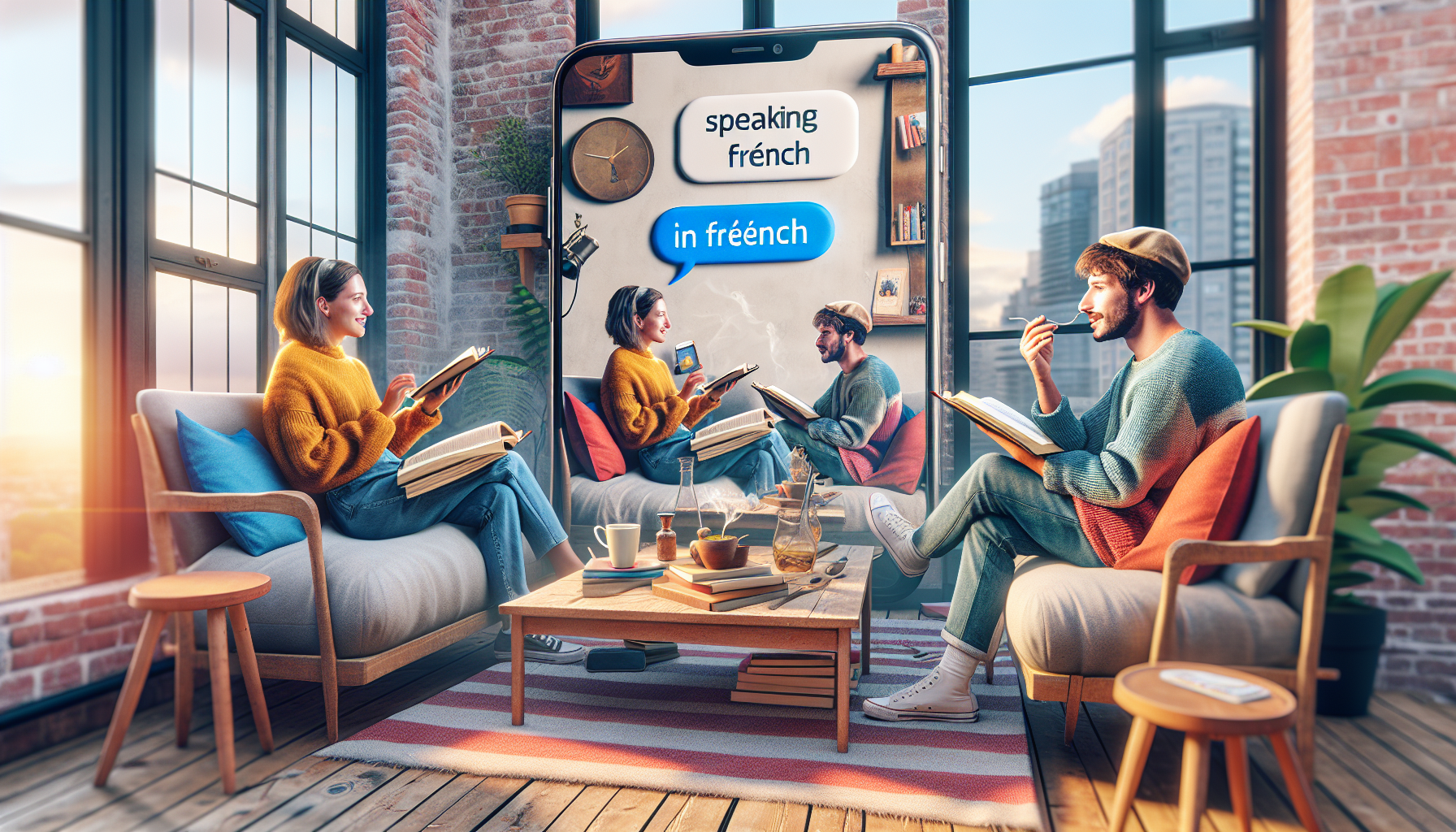
Technology has reshaped how we learn languages, making it easier and more interactive. For French learners, the digital age offers a trove of resources, from apps to virtual classrooms, which can enhance the language acquisition process. This article explores how leveraging technology can elevate your French language skills effectively.
Interactive Platforms and Apps
Language learning apps like Duolingo, Babbel, and Rosetta Stone provide interactive lessons tailored to different proficiency levels. They use gamification—turning learning into games—to enhance retention and engagement. Quizzes, flashcards, and pronunciation practice are standard features that these platforms use to help learners strengthen their language skills. Additionally, apps often offer forums and chat options where learners can connect with native speakers and practice conversational French, offering real-time feedback and aiding fluency.
Online Courses and Virtual Classrooms
More structured learning options like online courses or virtual classroom settings are available through platforms such as Coursera, EdX, or the French Institute itself. These courses are often designed by educational experts and include comprehensive lesson plans from beginner to advanced levels. Virtual classrooms simulate a real classroom experience, providing the opportunity for live interaction with teachers and peers. This real-time engagement is crucial for developing conversational skills and offers immediate correction and guidance.
Podcasts and Audio Tools
For auditory learners, podcasts and audio tools are incredibly beneficial. Podcasts specifically tailored for French learners—such as « Coffee Break French » or « FrenchPod101″—provide lessons in a conversational format. They introduce new vocabulary and expressions contextually related to daily life situations, making them easy to memorize and apply. Audio tools can also play a significant role in perfecting pronunciation, an often challenging aspect of learning French.
Utilizing Video Content
Platforms like YouTube offer countless instructional videos that include subtitles, visual aids, and real-life dialogues to boost understanding and usage of the French language. Channels created by native French speakers can immerse you in the language, providing insights into cultural nuances, slang, and everyday language use outside the textbook context. This method not only enhances listening skills but also exposes learners to various accents and dialects of French.
Social Media and Language Exchange
Social media platforms can be used creatively to learn French. Following French language influencers, participating in language challenges, and joining French-speaking groups can immerse learners in the language daily. Platforms like Tandem or HelloTalk connect learners with native speakers for language exchange, enabling practice in a casual, conversational setting. These interactions can bridge the gap between formal learning and real-world application, which is vital for language mastery.
Using technology, learners have access to an extensive array of tools that can support all aspects of language acquisition. The digital tools available today offer personalized, engaging, and diverse methods of learning French, making mastery of this beautiful language more attainable than ever before.
Navigating social media in French
Are you looking to enhance your French-speaking skills while effectively navigating the ever-evolving world of social media? Dive into our comprehensive guide, where we unravel the secrets of fluent French communication online. Whether you’re engaging in lively discussions, crafting perfect…
Exploring Online Platforms for French Learning

In the digital age, learning a new language has transcended traditional classroom boundaries, particularly for those looking to master French. Online platforms have revolutionized how we approach language acquisition, offering tools that cater to various learning styles and objectives. Whether you are a beginner or looking to refine your fluency, there is an array of options available that can suit your needs and help you overcome language learning challenges.
Variety of Learning Modules
One of the striking features of online French learning platforms is the diversity in learning modules. From interactive tutorials, video lessons, to one-on-one speaking practices with native speakers, these platforms provide a well-rounded approach. They incorporate reading, writing, listening, and speaking exercises, making them comprehensive learning resources. This variety not only keeps the learning process engaging but also allows learners to tackle the language from multiple angles, which is crucial for deeper understanding and retention.
Customizable Learning Experience
Personalization is key in learning a language effectively. Online platforms offer customizable learning paths that can be tailored to the specific needs and goals of the learner. Whether you need to brush up on your conversational skills, prepare for a certification, or simply want to improve your grammar, these platforms can adjust the curriculum to match your pace and objectives. This personalized approach ensures that the learning process is not just efficient but also aligned with your personal or professional aspirations.
Interactive Tools and Resources
Technology has brought learning to life with interactive tools that enhance engagement and facilitate better learning outcomes. Features such as speech recognition, interactive games, quizzes, and real-time feedback help to mimic an immersive learning environment. These tools are designed to make learning fun and interactive, which is particularly beneficial for maintaining motivation over time.
Accessibility and Flexibility
The convenience of accessing learning materials anytime and from anywhere cannot be overstated. Whether on a lunch break, commuting, or during late-night study sessions, these platforms are accessible across multiple devices, providing flexibility that accommodates every learner’s schedule and lifestyle. This accessibility not only helps in consistently integrating language learning into daily routines but also empowers learners to take charge of their learning process.
Community and Support
Many online French learning platforms foster a sense of community among learners. Discussion forums, peer interactions, and even group classes provide an avenue for exchanging ideas and experiences, offering both social and educational benefits. Additionally, continuous support from tutors or customer service ensures that learners receive help and guidance whenever needed, thus enhancing the learning experience.
Embracing the advancements in educational technology, online platforms for French learning offer a dynamic, effective, and enjoyable way to learn the language. With features that cater to all aspects of language learning, they represent a formidable resource for anyone looking to enhance their French language skills in a modern, digital context.

Effective communication via email in French
Master the art of French email communication with our latest guide! Discover expert tips and strategies to convey your messages clearly and professionally. Whether you’re connecting with colleagues or engaging with new clients, this article will elevate your French email…
The Impact of Social Media on French Communication

Transforming Linguistic Practices
The advent of social media has significantly altered the way French is used for communication. Platforms like Twitter, Facebook, and Instagram encourage more informal and colloquial forms of writing. These sites have led to the emergence of a more relaxed language, incorporating slang and abbreviations that were once frowned upon in traditional French linguistic culture. This shift is not just limited to casual conversations; even formal communications are starting to adopt a more toned-down version of French, making it accessible to a broader audience.
The Rise of Francophone Digital Content
Social media has also democratized content creation, with more French speakers engaging in content production than ever before. This surge has led to an increase in French content across various genres – from lifestyle and fashion to tech and finance. The diversity in content not only enriches the French language but also broadens the horizon for non-native speakers who are exposed to the language in multifarious contexts, enhancing their learning experience and making French more applicable in everyday scenarios.
Impact on Learning and Proficiency
With real-time interactions and the expansive reach of social media, learning French has become more interactive and engaging. Language learners can now immerse themselves in French through online communities, live conversations, and a plethora of multimedia resources. This environment fosters a natural learning process, improving fluency and providing immediate feedback that is vital for mastering the language. Furthermore, it allows learners to understand regional dialects and cultural nuances that are crucial for becoming proficient in French.
Challenges in Maintaining Linguistic Purity
However, the impact of social media on French is not solely positive. The inundation of Anglicisms, text speak, and colloquialisms can sometimes dilute the linguistic purity of traditional French. Linguistic purists argue that this threatens the structure and beauty of the language, making it more susceptible to erosion over time. This issue is particularly challenging as it stirs debates between embracing modernity in language use and preserving the classic French taught in schools and universities.
Social Media as a Platform for Advocacy and Preservation
In response to concerns over linguistic erosion, several French linguistic authorities and enthusiasts are using social media to promote the use of proper French. Through campaigns, online courses, and interactive platforms dedicated to the French language, they aim to balance the need for modernization with linguistic preservation. This ensures that while French continues to evolve, it retains the essence that makes it one of the world’s most studied languages.
Social media, undeniably, plays a transformative role in shaping modern French language and communication. It acts as a double-edged sword that not only makes the language more vibrant and accessible but also poses challenges to its traditional form. The ongoing dialogue between innovation and conservation will likely continue as French speakers worldwide adapt to the digital age.
Evolution of French Language Teaching Through Apps and Software
The digital age has dramatically transformed the landscape of language learning, with French being no exception. Traditional classroom settings are being supplemented—and sometimes even replaced—by innovative apps and software designed to optimize language acquisition. This shift reflects broader changes in education and technology, offering learners unprecedented flexibility and accessibility in mastering French.
The Early Days of Digital Language Learning
Initially, language learning software was quite rudimentary, focusing mainly on repetitive vocabulary practice and basic grammar exercises. Software like Rosetta Stone and early versions of Duolingo introduced learners to new words and phrases through repetition and visual associations. These tools were revolutionary at the time, providing a self-paced, structured learning environment that was not confined to a classroom.
Integration of AI and Adaptive Learning
As technology advanced, so did French language learning tools. Developers began leveraging artificial intelligence (AI) to create more personalized and adaptive learning experiences. Modern apps can assess a user’s proficiency in real-time and adjust the difficulty of tasks accordingly. This individualized approach helps to keep learners engaged, enhances retention, and accelerates progress by focusing on areas that need improvement.
Interactive Elements and Gamification
One of the most significant developments in language learning technology is the introduction of gamification and interactive elements. Tools like Babbel and the gamified structure of Duolingo incorporate game-like mechanics to increase motivation. Learners earn points, badges, and can level up, which makes the learning process more engaging and fun. These platforms also include social elements, allowing users to connect and compete with others globally, adding a valuable real-world dimension to language practice.
Real-Time Conversation Practice
The next evolutionary step has been the ability to practice real-time conversation with native speakers and AI bots. Apps like Tandem and HelloTalk connect learners with French speakers around the world, facilitating real-time text, voice, and video communication. This exposure to colloquial language and cultural nuances is invaluable for developing fluency. Additionally, conversational AI programs in apps can simulate real-life conversations and provide instant feedback, which is crucial for improving speaking skills.
Future Trends in French Language Learning Technology
Looking ahead, the trajectory for French language learning apps and software is poised to become even more immersive and user-centric. Augmented reality (AR) and virtual reality (VR) are on the horizon, with the potential to transport learners to virtual environments where they can practice French in contextually rich, interactive scenarios. These technologies promise to create deeper, more memorable learning experiences by simulating real-life interactions and cultural immersion without the need for travel.
Moreover, further advancements in AI are expected to refine the customization of learning experiences, making them even more responsive to individual learner progress and preferences. This could mean a future where language learning is seamlessly integrated into daily life, with AI-powered assistants providing language practice and cultural insights in real time.
The evolution of French teaching through apps and software reflects broader educational and technological shifts that emphasize personalized, immersive, and flexible learning solutions. As these tools continue to evolve, they will further democratize learning and make French language proficiency more accessible to people around the globe.