Navigating social media in French
Are you looking to enhance your French-speaking skills while effectively navigating the ever-evolving world of social media? Dive into our comprehensive guide, where we unravel the secrets of fluent French communication online. Whether you’re engaging in lively discussions, crafting perfect posts, or connecting with French-speaking communities, our expert tips will empower you to interact confidently and proficiently. Embrace the digital age in French style!
Mastering French Slang and Expressions on Social Platforms
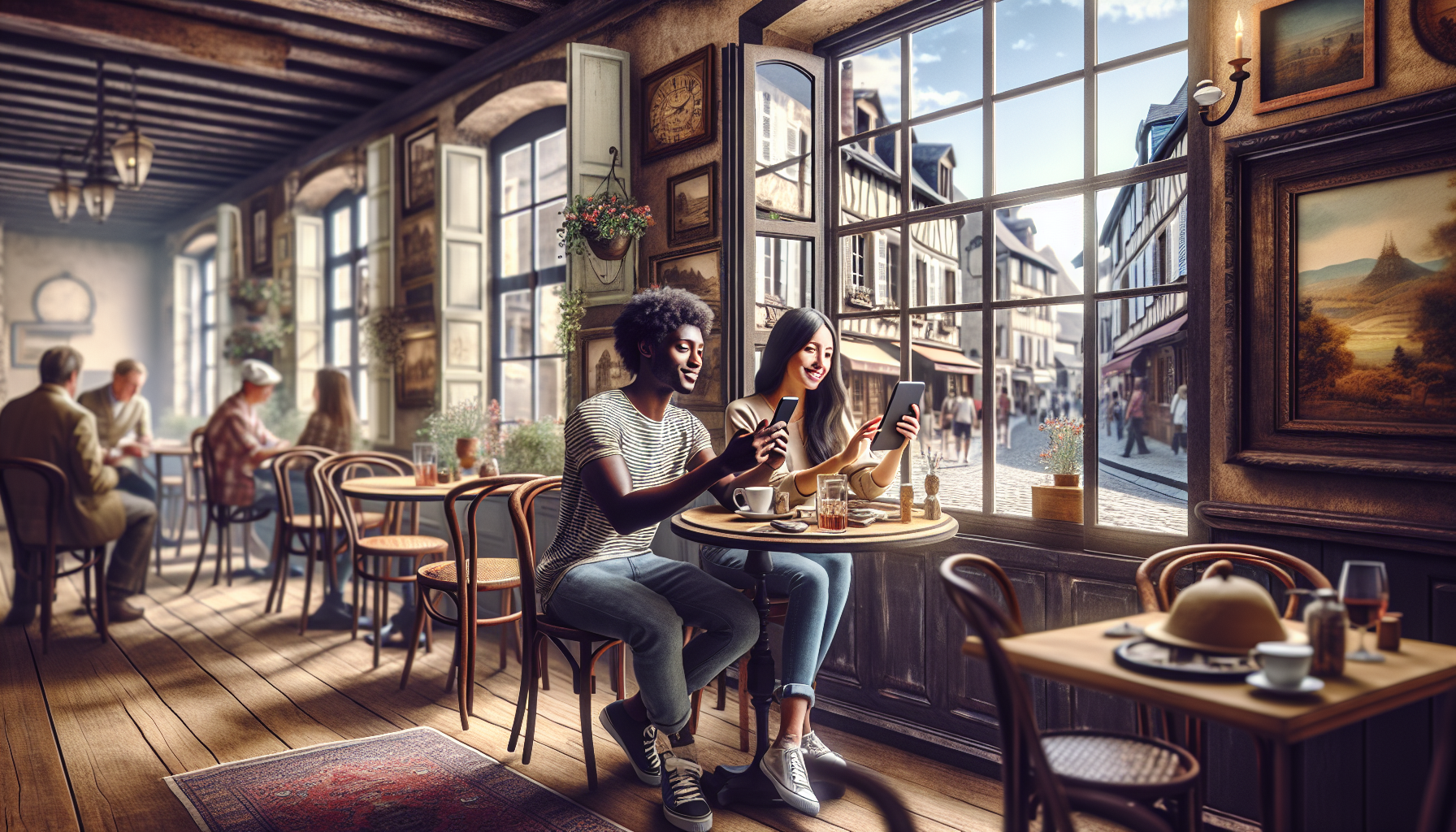
The French language is renowned for its formality and beauty, but when it comes to social media, a whole new layer of linguistic expression emerges through slang and informal phrases. Mastering these elements can dramatically enhance your online engagements and help you connect more authentically with French-speaking audiences. Let’s delve into how you can adopt French slang and expressions effectively on social platforms.
The Importance of Slang in Digital Communication
Slang is an integral part of any living language, constantly evolving and providing fresh ways for speakers to express themselves. In the context of social media, using slang can make your posts and interactions appear more relatable and genuine. It breaks the ice and builds rapport with your followers, especially the younger demographic that predominantly inhabits these digital spaces.
Key French Slang Terms to Know
Getting to grips with popular French slang will give your social media language that much-needed flair. Here are some essential slang phrases and when to use them:
- Bouquin (book) – Use this when sharing your latest reads.
- Franglish – Perfect for moments when you mix English with French.
- Cimer (Merci, Thank you) – A casual thank-you note.
- Se faire chier – Expressing boredom or frustration in a humorous way.
- Ça baigne? (Everything’s good?) – A light-hearted way to check in on friends.
These expressions can add a touch of informality and fun to your interactions, but it’s crucial to understand the context in which they are appropriate.
Understanding Context and Appropriateness
While slang can be effective, its misuse can potentially harm your online image. Understanding the nuances of when and how to use slang is critical. For instance, professional or formal discussions might not benefit from the use of colloquial terms, while casual and friendly exchanges might be enhanced by them. Always consider your audience and the nature of the conversation before sprinkling your French with slang.
Engaging with Native Speakers
One of the best ways to learn and understand the intricacies of French slang is to interact with native speakers. Platforms like Twitter, Instagram, and Facebook provide great venues for observing how natives use slang and expressions in real-time. Don’t hesitate to ask questions or for clarifications in your interactions; most users are more than willing to explain nuances to non-native speakers.
Adopting French slang and expressions in your social media usage not only polishes your language skills but also enriches your cultural understanding of the French-speaking world. Engage actively, watch closely how native speakers communicate, and soon, you’ll find yourself using French slang more naturally and aptly in your digital communications.

Effective communication via email in French
Master the art of French email communication with our latest guide! Discover expert tips and strategies to convey your messages clearly and professionally. Whether you’re connecting with colleagues or engaging with new clients, this article will elevate your French email…
Essential Tips for Engaging with French-speaking Audiences

Engaging with French-speaking audiences on social media requires a tailored approach that respects the unique cultural and linguistic nuances of the Francophone world. Businesses aiming to expand their reach within this demographic must execute well-informed and culturally sensitive strategies designed to enhance their online presence effectively.
Understanding the Cultural Landscape
To successfully interact with French-speaking users, understanding the cultural context in which they operate is crucial. This includes knowledge of popular culture, current events, and regional preferences that may affect consumer behavior. Insights into these areas can guide the content creation process, ensuring that it resonates with your audience.
Utilizing Language Effectively
The correct use of the French language cannot be overstated. It’s important not only to communicate in flawless French but also to adapt the language level to the audience, whether they be from France, Belgium, Switzerland, or any other French-speaking regions. Employing native speakers for content creation and interaction can help avoid common linguistic pitfalls and strengthen your brand’s credibility.
Optimizing Content for Local Engagement
Content that appeals to French-speaking audiences often includes localized information that feels directly relevant to their daily lives. This might involve using local idioms, references to local events, or discussions about national holidays. Additionally, timing your posts to match local peak online hours can significantly increase engagement.
Engage with Visuals and Media
Images, videos, and other visual media are key to capturing the attention of audiences. Content that includes visuals tends to get more engagement. For French-speaking audiences, consider incorporating visuals that reflect local tastes and societal norms or that tell a story significantly tied to the Francophone world.
Leveraging Influencer Partnerships
Collaborating with French-speaking influencers can propel your brand into the spotlight among your target demographic. Influencers can navigate the subtleties of local culture and consumer behavior effectively, thereby crafting messages that are more likely to be received positively. Choosing the right influencer involves not just looking at their follower count but assessing their engagement rate and the authenticity of their interactions.
Monitoring Feedback and Adapting Strategies
Finally, effective social media engagement with French-speaking markets involves continuous monitoring and adaptation. Pay attention to the feedback received through comments, likes, and shares. Use social media analytics tools to track what works and what does not, thereby allowing you to refine strategies over time to better meet the needs of your audience.
The Impact of Cultural Norms on Social Media Communication in French

The realm of social media has universally transformed the ways in which we communicate, yet each culture adapts these platforms in subtly distinct manners. In the context of French social media communication, the influence of cultural norms is profusely evident. Understanding these cultural nuances is not only fascinating but also crucial for effectively engaging with French-speaking audiences.
The Role of Formality and Etiquette in French Social Media Interactions
In many social media landscapes, casualness prevails, but French social interactions often maintain a level of formality that reflects broader social values. Even on platforms where brevity is common, such as Twitter, French users tend to employ a more formal tone compared to their English-speaking counterparts. This includes the use of proper grammar, complete sentences, and the formal ‘vous’ as a form of address rather than the informal ‘tu’.
Additionally, direct confrontation or overly casual remarks might be frowned upon, aligning with French societal norms that value discretion and politeness. This cultural inclination influences not only personal interactions but also the way businesses and brands present themselves online. Understanding these communicative subtleties is essential for anyone looking to engage or expand their presence in the Francophone digital space.
Impact of Cultural References and Regional Variations
Cultural references and regional dialects play significant roles in tailoring content for French audiences. From colloquialisms unique to specific areas like Paris or Marseille to references that resonate with national pride, such as culinary delights or historical events, weaving these elements into social media interactions can greatly enhance relatability and engagement.
For instance, a brand promoting products in France might find greater success by incorporating locally revered concepts, such as referencing a popular French movie or using regional slang. Ignoring these cultural intricacies could not only diminish the effectiveness of communication but also potentially alienate the audience.
Visual and Linguistic Nuances in French Social Media
The French appreciation for art and aesthetics also permeates social media usage. Visually appealing content, paired with clever, well-crafted captions, often receives more engagement. In the French context, aesthetics are not just an afterthought; they are integral to creating content that feels genuine and appealing.
Linguistically, the use of puns, play on words, and poetic language can be particularly effective. This tendency towards linguistic creativity reflects a broader cultural appreciation for literature and the arts, underscoring the need for content creators to elevate their linguistic game when communicating with French audiences.
Adapting to French Values in Professional Communication
In professional settings, the adherence to cultural norms becomes even more pronounced on social media. French corporate accounts typically maintain a very formal tone, and promotional messages are often understated rather than overt. This mirrors the French value of subtlety and modesty in business practices.
Furthermore, responsiveness and interaction in French professional contexts are expected to be prompt and respectful, demonstrating value and respect for the individual or community being addressed. This level of professional decorum in social media interactions reflects the broader cultural expectations of propriety and respect in all forms of communication.
Embracing the French Approach to Social Media
For businesses and individuals looking to flourish in the French-speaking digital arena, understanding and integrating these cultural norms into their social media strategies is not just beneficial; it is essential. It ensures not only heightened engagement and relevance but also fosters deeper connections with the audience, paving the way for lasting relationships and success in the Francophone market.
Therefore, whether you are a budding entrepreneur, a seasoned marketer, or simply a social media enthusiast, embracing these French cultural norms can significantly augment your communicative effectiveness and resonance within the French-speaking social media landscape.
Strategies to Enhance Your French Language Skills through Social Media Interaction
The Power of Social Media in Language Learning
Social media is not just a platform for socializing; it’s a vibrant, interactive classroom for language learners. Platforms like Twitter, Facebook, and Instagram offer unique opportunities to immerse oneself in the French language, making learning both engaging and accessible. Through regular interactions, you can experience the language as it is naturally used by native speakers.
Choosing the Right Platforms for Learning French
Each social media platform caters to different aspects of learning. For instance, Twitter is excellent for picking up slang and contemporary expressions by following French influencers or news outlets. Instagram, by contrast, can help with comprehension and vocabulary through image-driven content and stories. Choosing the right platform can enhance your learning process based on your preferences and learning goals.
Interacting with Native Speakers
Engagement is key in learning any language. On social media, you can interact directly with native French speakers, which is invaluable for improving your conversational skills. Commenting on posts, asking questions, and participating in discussions can expose you to varied aspects of the language and culture. This direct interaction helps you to gain confidence in using French in everyday situations.
Utilizing Multimedia Content to Boost Understanding
French learning doesn’t have to be restricted to text. Most social media platforms are rich in multimedia content, including videos, podcasts, and images, all of which can aid in improving your listening and comprehension skills. For example, following French movie review pages, listening to French songs, or watching short videos are enjoyable ways to strengthen your language skills.
Cultural Immersion through Social Media
Understanding the cultural context of a language is crucial. Social media can act as a window into the daily lives and cultural practices of French-speaking people. Celebrations, daily routines, humor, and even current issues are all presented through the lens of the individuals living them. This cultural immersion can make your learning experience more profound and meaningful.
In conclusion, leveraging social media for language learning offers a dynamic and immersive approach to mastering French. By engaging with native speakers and consuming a variety of content, learners can enhance their understanding and appreciation of both the language and culture. Embrace the opportunities that social media platforms provide and watch your French skills flourish.