How to maintain and improve French speaking skills
Are you looking to elevate your French-speaking prowess? Whether you’re a fluent speaker facing occasional stumbles or someone striving to polish your conversational skills, the journey to mastering French doesn’t have to be daunting. Dive into our article as we unravel effective strategies and practical tips that will not only maintain but significantly enhance your French speaking abilities. Empower yourself to speak confidently and flawlessly, transforming every conversation into an opportunity for growth and connection. Let’s embark on this linguistic adventure together and turn your French fluency into a powerful asset in the realm of communication.
**Exploring Various French-speaking Environments**
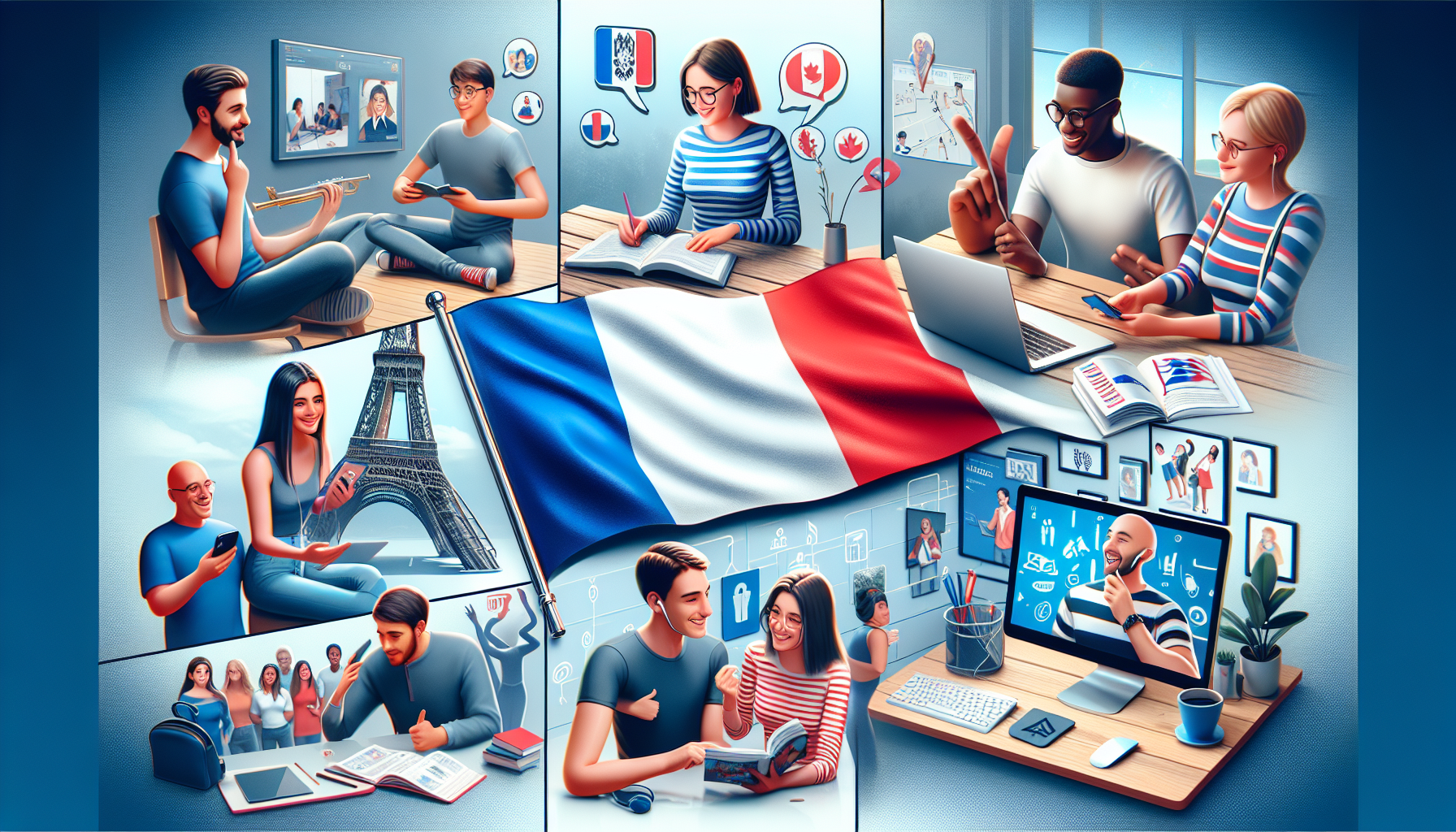
When enhancing your French-speaking skills, immersing yourself in diverse linguistic settings is not just beneficial—it’s essential. Each French-speaking environment offers unique opportunities for practical engagement, cultural immersion, and language acquisition. Understanding these environments can significantly enhance your learning experience and fluency.
The Bustling Streets of Paris
Paris, often seen as the epitome of French culture, is a vibrant urban environment where language learners can dive into the fast-paced world of a French metropolis. From casual conversations in charming bistros to lively exchanges at bustling marketplaces, Paris offers an immersive backdrop for developing conversational skills and understanding local idioms and slang. Don’t forget the art of negotiation at flea markets or the logistics discussions in various boutiques, all conducted in the nuanced tones of Parisian French.
Academic Halls in Lyon
Lyon, known for its esteemed universities and scholarly atmosphere, presents a more formal, academic French-speaking environment. Language learners here can benefit from structured language programs and discussions with intellectuals, lending insights into a more complex language use. Engaging with students and professors in this setting not only hones your French language skills but also enriches your understanding of French academic culture and specialized terminology.
Relaxed Interactions in Provence
The scenic region of Provence offers a slower pace where learners can practice French in a relaxed atmosphere. The interactions here are often more personal and laid back, providing a comfortable setting for beginners to improve their conversational skills. Engaging with locals at weekly farmers’ markets or during traditional Provencal festivals adds to the charm and effectiveness of learning French in this picturesque part of France.
The Professional Sphere in Brussels
Brussels, while primarily a Belgian city, is a hub for international business and diplomacy where French is one of the main languages spoken. Here, learners can experience French in a professional context, engaging with international lawmakers, businessmen, and European Union officials. This environment is ideal for those looking to refine their business French and understand the nuances of the language used in formal and diplomatic communications.
The Diverse Streets of Montreal
Across the Atlantic, Montreal in Quebec, Canada, offers a blend of North American and French cultures. French spoken here incorporates unique expressions and slangs, providing learners with exposure to a different variant of French. This city is perfect for language learners seeking to adapt to varying accents and regional vocabulary, all while enjoying the vibrant, multicultural setting that Montreal has to offer.
Exploring various French-speaking environments not only boosts your fluency but also deepens your cultural appreciation and understanding of the Francophone world. Each location, from European cities to North American territories, provides distinctive experiences and benefits for French learners. By engaging actively in these diverse settings, you enhance your linguistic skills in a holistic and enjoyable manner.
**Adopting Effective Learning Strategies for French**
Mastering a new language, such as French, is a thrilling and enriching journey that opens up a world of cultural and professional opportunities. However, achieving fluency requires more than just passion – it demands strategic and effective learning methods. In this article, we will explore several powerful strategies that will elevate your French language skills to new heights.
Immerse Yourself in the Language
Immersion is universally acknowledged as one of the most effective techniques for language learning. Surrounding yourself with French not only helps improve your language understanding but also aids in acquiring the nuances and idiomatic expressions that textbooks might not cover. Here are a few methods to create an immersive environment:
- Engage with French media like movies, music, and podcasts.
- Participate in French-speaking groups or forums online.
- Travel or participate in exchange programs in French-speaking regions.
These activities will boost your listening skills and your ability to understand different dialects and accents.
Practice Regularly and Consistently
Consistency is key in language learning. Dedicating specific times for French studies can profoundly impact your proficiency. Regular practice helps cement the information learned and improves retention. Utilize diverse learning tools and techniques every day to keep the learning process dynamic and engaging:
- Use language learning apps for daily vocabulary exercises.
- Set aside time for reading French literature or articles.
- Practice speaking with native speakers through language exchange apps or during language meet-ups.
Utilize High-Quality Learning Materials
The quality of your learning resources can significantly affect your language acquisition. Invest in reputable textbooks, online courses, and guided tutorials designed by experienced French teachers. High-quality materials ensure that you learn correct grammar and pronunciation, laying a solid foundation for advanced studies. Additionally, following a standardized French language course can provide structure and measurable progress.
Focus on Active Usage of the Language
While passive learning (such as listening and reading) is valuable, actively using the language enhances memorability and fluency. Make a conscious effort to:
- Write essays, emails, or diary entries in French.
- Engage in debates or discussions on French-speaking social media platforms.
- Offer presentations or talks in French if your environment permits.
The more you speak and write, the faster you improve. Don’t fear making mistakes, as they are essential stepping stones in the learning process.
Set Realistic Goals and Monitor Your Progress
Setting clear, achievable goals helps maintain motivation and focus throughout your learning journey. Establish short-term goals like mastering a set number of vocabulary words weekly and long-term goals like achieving a particular proficiency level by year’s end. Regularly assess your progress by taking French tests or quizzes, which will help identify areas needing improvement and adjust your learning strategies accordingly.
Implementing these strategies will undoubtedly accelerate your French learning curve, making you more proficient and confident in your language abilities. Remember, the path to fluency is a marathon, not a sprint, and every step you take is an advancement towards mastering the language. Bonne chance!
**Utilizing Technology and Media to Enhance French Fluency**
Exploring Innovative Language Learning Apps
Learning a new language in this era is revolutionized by cutting-edge apps that facilitate interactive learning experiences. Apps like Duolingo, Babbel, and Rosetta Stone are not just tools for vocabulary building; they integrate listening, speaking, and grammar exercises that mimic real-world interactions. Particularly, features such as voice recognition help in perfecting pronunciation and fluency. For a professional constantly on the move, these apps serve as a pocket-sized language tutor, allowing them to learn at their own pace and convenience.
Leveraging Social Media for Linguistic Immersion
Social media platforms offer a plethora of opportunities for engaging with native French speakers and language educators. Twitter, Instagram, and Facebook groups connect learners with language partners and French learning communities. Watching live streams, following French influencers, and engaging in comment sections can significantly increase exposure to colloquial French. This method not only enhances vocabulary but also makes understanding cultural nuisances and idiomatic expressions easier.
Integrating Podcasts and YouTube in Language Practicing
Podcasts and YouTube channels are excellent resources for improving listening skills and getting accustomed to varied accents and speeds of speaking. Channels like Francais Authentique or InnerFrench cater specifically to learners and adapt their content to be understandable yet challenging. By regularly listening to these resources, learners can improve their comprehension skills, learn new expressions, and gain insights into French culture and current events.
Utilizing Online French News and E-books
For someone aiming to advance their language skills, diving into French news websites and digital libraries can be exceptionally beneficial. Websites like Le Monde or France 24 allow learners to stay updated with current events while practicing language skills. E-books and online articles can be read at one’s own pace, with the added capability to look up words instantly which makes this a great tool for intermediate to advanced learners striving to expand their vocabulary and grasp of complex grammatical structures.
Incorporating French Films and Series in Routine Practice
One of the most enjoyable methods of improving language fluency is through films and series. French cinema is not only entertaining but also a goldmine for cultural and linguistic education. Platforms like Netflix offer a wide range of French films and series. Making it a routine to watch French media with subtitles (initially in English, switching to French) can tremendously aid in improving listening and comprehension skills while enjoying dramatic plots and stunning cinematography.
Engaging with Interactive French Learning Websites
Websites like FluentU or FrenchPod101 provide interactive lessons tailored to different levels of learners. These platforms use real-life videos and interactive software to teach the language contextually and engagingly. Quizzes, flashcards, and spaced repetition algorithms on these sites make learning efficient and effective. They simulate a classroom environment where learners can receive immediate feedback on their progress, making it ideal for busy professionals aiming to improve their French on-the-go.
**Connecting with Native Speakers and Language Communities**
French Speaking Skills: Connecting with Native Speakers and Language Communities
Mastering the French language is not just about getting the grammar right or expanding your vocabulary—it’s also profoundly about connection. Engaging with native speakers and immersing yourself in language communities is crucial for enhancing your fluency and understanding the intricate cultural nuances of French. Here’s how you can effectively connect with native French speakers and enrich your language learning experience.
Engage with Local French Communities
One of the most enriching ways to learn a language is to engage directly with the people who speak it daily. Local French communities, whether found in France or in Francophone regions worldwide, offer invaluable opportunities to practice spoken French in a natural setting. Look for community centers, French cultural organizations, and social clubs where you can meet and interact with native speakers. Participating in group activities such as cooking classes, book clubs, or cultural festivals can provide a relaxed environment for language practice.
Utilize Language Exchange Programs
Language exchange programs are designed to help language learners improve their proficiency by practicing with native speakers who want to learn another language in return. These exchanges can be conducted in person or online, offering flexibility for those with busy schedules. Platforms such as Tandem and MyLanguageExchange are excellent places to find native French speakers interested in language swaps, allowing for mutually beneficial linguistic and cultural exchanges.
Attend French Workshops and Language Cafés
Incorporating structured learning through workshops and language cafés can dramatically boost your confidence and speaking skills. Workshops often focus on specific aspects of the language like pronunciation, slang, or professional French, while language cafés provide a more casual setting for conversation practice. These gatherings are usually organized by language schools or cultural institutes and provide a supportive environment to make mistakes and learn from them actively.
Experience French Media in Real-Time
Immersing yourself in French media such as radio, television, and podcasts can also be a great way to connect with the language and its native speakers. Try watching French news channels or listening to French podcasts that discuss current events. This way, not only do you improve your comprehension and listening skills, but you also stay updated with cultural and societal issues relevant to French speakers today.
Participate in Online French Forums and Social Media Groups
The digital age makes it easier than ever to connect with people from all around the world. Join French forums, Facebook groups, or Reddit communities where you can read and contribute to discussions in French. This interaction not only helps in improving your writing skills but also in understanding diverse viewpoints and regional slang used by native speakers.
By embracing these strategies, you open yourself up to a world of opportunities to enhance your French speaking skills. Remember, the key to language learning success lies in consistent practice and genuine interactions with native speakers. So, take the plunge and connect with the vibrant global Francophone community!