Speaking French in the context of globalization
In today’s globalized world, the ability to communicate across cultures is more valuable than ever. Speaking French, a language spoken on all five continents, not only opens doors to diverse economic markets but also bridges cultural divides. This article delves into how mastering French can enhance your professional opportunities, enrich your personal growth, and position you at a strategic advantage in the interconnected global landscape. Join us as we explore the profound benefits of embracing French in our increasingly borderless world.
The Influence of French on International Business and Culture
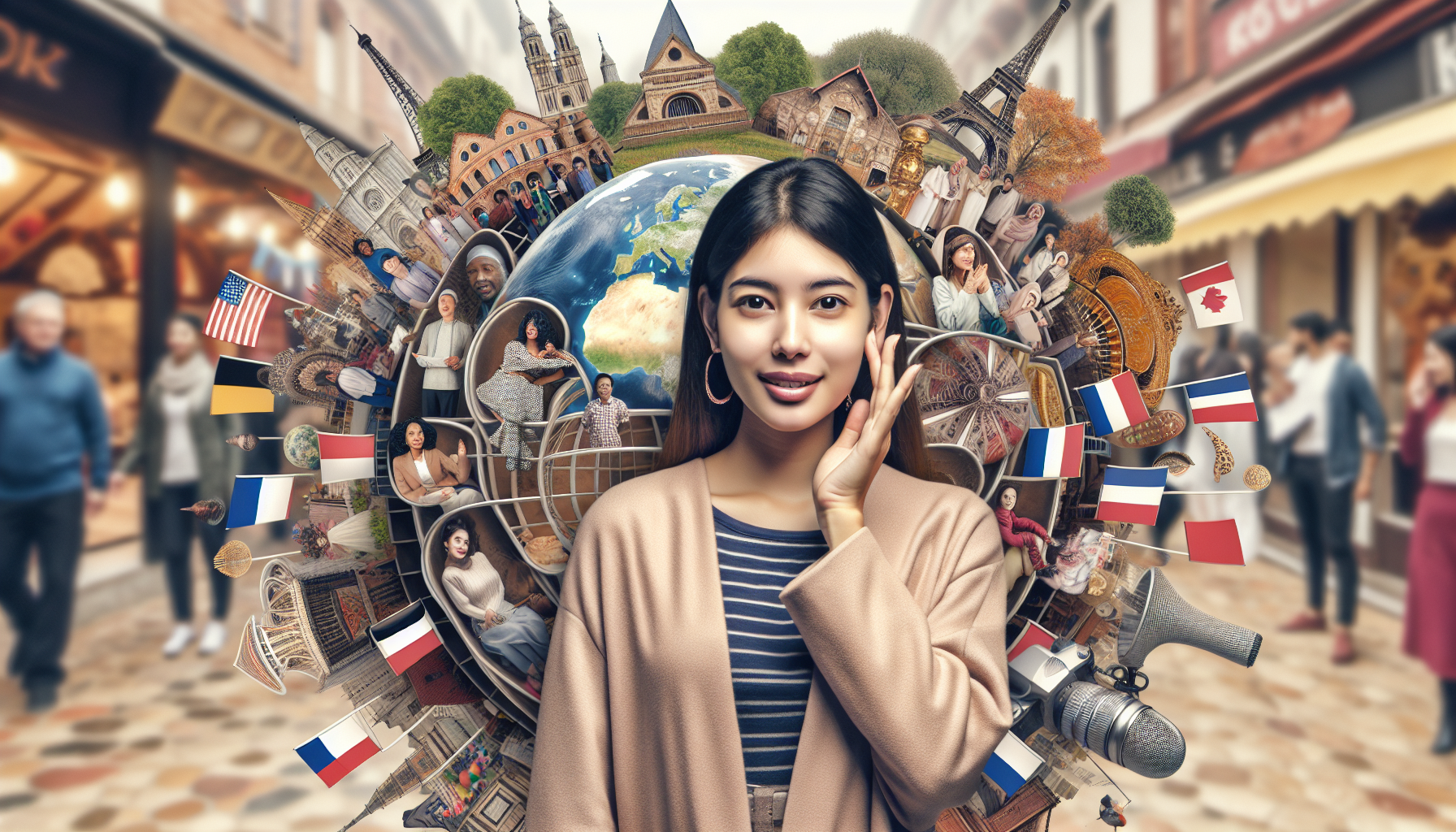
In the realm of international business and global cultural exchanges, the French language holds a prestigious and strategic position. As the world becomes increasingly interconnected through globalization, the importance of French as a bilingual tool for communication and cultural understanding cannot be overstated.
The Strategic Role of French in International Business
French is not only the official language of multiple international organizations such as the United Nations, the European Union, and the World Trade Organization, but it is also a key language in international contracts and diplomacy. The ability to communicate in French opens doors to Francophone markets, which includes parts of Africa with rapidly growing economies and increasing business opportunities. Furthermore, French proficiency enhances one’s professional repertoire in fields such as international law, economics, and global commerce.
For businesses aiming to expand into new markets, understanding and integrating French can be a game changer. Many African countries with French as an official language, like Ivory Coast and Senegal, are becoming focal points for international investment due to their economic potential and strategic locations. Navigating these markets successfully often requires a solid grasp of French to foster effective partnerships and local engagement.
Cultural Influence and Soft Power
Culturally, French is synonymous with high arts, fashion, and gastronomy. The global influence of French culture, from Parisian fashion weeks to French cuisine, exerts a significant soft power that transcends international borders. This cultural prowess not only spreads the French language but also stimulates a global appetite for French lifestyle and products.
Moreover, French cinema and literature function as conduits of French norms and values, playing critical roles in both preserving and spreading Francophone culture worldwide. These cultural exports help maintain French as an esteemed and influential language on the global stage.
French as a Tool for Global Connectivity
Learning French is not merely about acquiring communication skills; it is about connecting with a global network of individuals and opportunities. For business professionals and academics alike, fluency in French can facilitate access to influential networks, international conferences, and cross-border collaborations.
The digital realm also showcases the importance of French. With vast amounts of content created in French and for French-speaking audiences, digital fluency in French allows for participation in these platforms, thereby fostering global connections and cultural exchange.
Ultimately, as we navigate through an increasingly globalized world, the value of multilingualism, especially in French, becomes more apparent. It enriches professional and personal lives, widens perspectives, and deepens intercultural understanding, proving to be an indispensable asset in today’s international sphere.
Adapting the French Language for Global Audiences

The concept of globalization has created an imperative for languages to adapt in ways that transcend local boundaries and cultural specificities. French, as one of the world’s most spoken languages, is no exception. The adaptation of French language to cater to a global audience involves linguistic modifications, cultural considerations, and the integration of new technologies.
The Linguistic Evolution of French in a Global Context
One of the primary facets of adapting French for global audiences is the linguistic evolution that makes it more accessible and less region-specific. This includes the simplification of grammatical structures and the adoption of a more neutral vocabulary that minimizes local dialects and slang. Efforts are also being made to incorporate universally recognized technical terms, especially in fields like business, technology, and science, that facilitate professional and academic communication across borders.
Cultural Sensitivity and Inclusivity
Adapting the French language is not merely about linguistic changes but also involves a greater emphasis on cultural sensitivity. This means being aware of cultural references and idioms that may not translate well across different cultures and replacing them with more universally understandable content. Furthermore, French language education providers, like the French Institute, are increasingly focusing on culturally inclusive teaching methods that are mindful of the diverse backgrounds of learners.
Technology’s Role in Language Adaptation
Technology plays a crucial role in the modern adaptation of the French language. From online courses and apps that offer French learning solutions to advanced translation software that helps bridge language gaps, technology is at the forefront of this linguistic evolution. These tools not only make learning French more accessible but also enrich the language’s adaptability by allowing it to be more fluid and dynamic, keeping up with the pace of global changes.
Implications for Business and Communication
In the realm of international business, adapting French for a global audience has significant implications. It enhances communication and cooperation among French-speaking countries and between Francophones and non-Francophones. This adaptation fosters better understanding and efficiency in business negotiations, trade, and diplomacy, paving the way for more robust international relationships and economic opportunities.
Overall, the adaptation of the French language in the context of globalization presents an opportunity for the language not only to survive but to thrive. It means making French more globally comprehensible, inclusive, and relevant, thereby expanding its global footprint and enhancing its appeal as a language of international discourse.
Challenges and Solutions for French Language Learners

Understanding Language Learning Challenges in the Globalized World
In an era where cross-border movement and international collaboration are commonplace, the French language is both an asset and a challenge for many learners. With businesses expanding their operations across continents and cultures, the demand for multilingual communication has escalated. However, global influences sometimes push the dominance of languages like English, overshadowing others, including French. This language hegemony poses a significant challenge for French learners who often find fewer resources and platforms to practice and hone their skills.
Navigating Technological Impact on French Language Acquisition
Technology has transformed the landscape of language learning. Digital tools, online platforms, and virtual classrooms make language education accessible but also present unique challenges. For French learners, the internet’s proliferation of English content can lead to a dilution of language immersion experiences. It’s crucial for learners to identify resources that offer authentic and comprehensive French language interactions, such as specialized newspapers, French podcasts, and community forums that encourage dialogue in French rather than English.
Addressing Cultural Homogenization
Globalization tends to standardize cultures, often at the expense of local identities and languages. For a French language learner, understanding the nuances of Francophone cultures is vital. This homogenization can result in a superficial understanding of French, stripped of its cultural richness. Engaging directly with diverse Francophone communities, both online and in-person, is invaluable. It provides not just linguistic practice but also deep cultural insights that textbooks or automated language apps cannot offer.
Building Language Confidence Amidst Global English Dominance
The widespread use of English as the ‘global language’ can undermine confidence in non-native French speakers. Learners may feel their language skills are inadequate due to fewer opportunities to use French in professional and casual contexts dominated by English speakers. To combat this, immersive experiences in French-speaking regions or communities become crucial. Participation in language workshops or travel programs specifically designed for language immersion can substantially boost confidence and fluency.
Creating a Personalized Learning Path
Every learner’s journey is unique, especially in the context of globalization, where learners come from multifarious backgrounds with different goals. Creating a personalized learning pathway is essential. This may involve setting specific, achievable goals, seeking targeted and intensive language programs like those offered by specialized French institutes, and constantly adapting to individual learning progress and changing global dynamics.
Leveraging Professional Networks and Language Exchanges
One of the practical solutions to mastering French in a globalized context is leveraging professional networks. Professional networking sites and language exchange meetups can provide real-world practice and feedback. These platforms not only enhance linguistic skills but also cultural understanding, which is often overlooked in formal education settings. Engaging with native speakers and other learners builds a supportive community that encourages persistent learning and application of the French language.
Capitalizing on Local French Resources
Despite the global push towards English, many communities and cities around the world cherish and promote French culture and language. Local libraries, cultural institutes like the French Institute, and even French film festivals are treasure troves for learners. These resources provide immersive and contextual learning opportunities that are invaluable for mastering the language in its true essence.
The Future of French in a Multilingual World
As the world becomes increasingly interconnected, the role of language in fostering communication and cultural exchange has never been more crucial. Among the multitude of languages spoken across the globe, French stands out for its rich history and continued relevance. In the context of globalization, understanding the future position of French amidst other dominant languages provides insight into its evolving role in international affairs, business, and culture.
The French Language in Global Communication
French is not only the official language of France but also of many other countries in different continents. This magnitude has helped French maintain its status as a significant player in international diplomacy and business. In organizations like the United Nations, the European Union, and the African Union, French is used extensively. As globalization pushes organizations towards more inclusive communication strategies, French is poised to play an essential role in facilitating new alliances and understanding across diverse cultures.
The Influence of French Speaking Populations
The widespread distribution of French speakers, from Europe to Africa and beyond, contributes greatly to its global influence. French-speaking countries in Africa are experiencing rapid economic growth, which in turn boosts the importance of the language in commerce and international trade negotiations. Moreover, the vibrant culture and rich literary heritage of the Francophone world continue to attract global interest, promoting French as a language of high culture and sophisticated diplomacy.
French in Education and Research
French plays a significant role in academia and scientific research. Numerous prestigious educational institutes in Francophone regions draw scholars and students from all over the world, creating a multilingual community where French is at the heart of cross-cultural interaction. Moreover, France’s investment in research and development makes French an important language for scholarly communication and innovation, particularly in fields like pharmaceuticals, engineering, and environmental science.
Challenges and Opportunities Ahead
While French has a solid foundation as a global language, it faces challenges from the dominance of English and the rising influence of other languages like Mandarin and Spanish. However, these challenges also present opportunities for the French language to adapt and evolve. Initiatives to promote French language learning worldwide, coupled with the digital revolution in language education technologies, showcase the potential for French to expand its global footprint effectively.
Integrating French with new technologies and media also presents a path forward. As digital platforms become more multilingual, French content can reach wider audiences, thereby reinforcing its global presence. The future of French could well be influenced by how effectively it integrates with these global trends.
The Role of French in Cultural Identity and Unity
In many parts of the world, French is not just a language but a cornerstone of cultural identity. As globalization influences cultural norms and practices, French offers a sense of continuity and unity for its speakers. This cultural aspect secures its place not only as a communication tool but also as a bearer of collective memory and heritage. Emphasizing these cultural values could enhance the resilience and attractiveness of French in a multilingual future.
In conclusion, French is set to continue its legacy as a global language, influenced by economic, cultural, and technological developments. It remains to be seen how French adapts to the challenges presented by a fast-evolving world, but the language’s deep cultural roots and widespread use lay a strong foundation for its future. As professionals and learners alike invest in French, its role in the global arena can only grow stronger, enriching the multilingual tapestry of our interconnected world.