Comment trouver un logement en France en tant qu’étudiant étranger ?
Are you planning to study French in France but feeling bewildered about how to find accommodation? This article offers you a practical guide filled with essential tips and effective strategies to navigate the housing market in France, ensuring you secure a comfortable place to call home during your educational journey.
Understanding the French Rental Market

The process of finding student housing in France can be daunting, especially for international students unfamiliar with the local rental market’s nuances. In this article, we explore key aspects of the rental market in France, focusing on what students need to know to secure suitable accommodation smoothly.
Types of Student Housing Available
Students have several options when it comes to finding accommodation in France:
- University Residences: Many French universities offer on-campus housing. These residences are usually the most affordable option, but they can be limited in number and quickly fill up.
- Private Student Residences: Operated by private companies, these facilities offer amenities like furnished rooms, internet access, and sometimes gym facilities. They are more expensive than university residences, but they provide higher comfort and convenience.
- Rental Apartments: Renting a private apartment is a popular option. Students can choose to live alone or share the space with roommates. This option offers more independence and immersion into local life.
- Homestays: Living with a French family is an excellent way for students to practice the language and experience the culture more intimately.
Navigating the Rental Process
Understanding the rental process is crucial for securing good accommodation in France:
- Documentation: Students should prepare a dossier containing a passport or ID, student visa, university acceptance letter, and financial guarantees.
- Guarantors: Most landlords require a guarantor who can vouch for the tenant’s ability to pay rent. For international students, some services act as rent guarantors for a fee.
- Contracts: It’s essential to carefully read and understand the lease agreement, which outlines the rental terms. Short-term leases are rare, with most requiring a minimum stay of one year.
- Deposits and Rent: Expect to pay a security deposit and potentially the first month’s rent upfront. In France, rent prices can vary widely based on location and the apartment’s size and amenities.
Areas to Consider for Housing
Choosing the right location is crucial for ensuring a pleasant stay in France. Major cities like Paris offer vibrant cultural experiences but come with higher living costs. Towns such as Aix-en-Provence offer a more relaxed atmosphere and are often more affordable while still providing rich cultural experiences and access to quality education.
Common Challenges and Tips
International students might face several challenges when searching for accommodation in France:
- High Demand: The best accommodations often have high competition. Starting the search early is advisable.
- Language Barrier: Not all landlords speak English, so having some knowledge of French or a translation app can be helpful.
- Scams: Be cautious of scams. Always verify the property personally or through a reputable source before making any payments.
By being prepared and understanding the French rental market, students can find suitable accommodations that will enhance their study experience in France.

Apprendre le français pour les JO2024
Are you ready to immerse yourself in the thrilling atmosphere of the 2024 Olympics in Paris? Learning French can enhance your experience, allowing you to engage fully with the locals, understand insightful commentaries, and navigate the city like a pro.…
Essential Documents for Renting in France
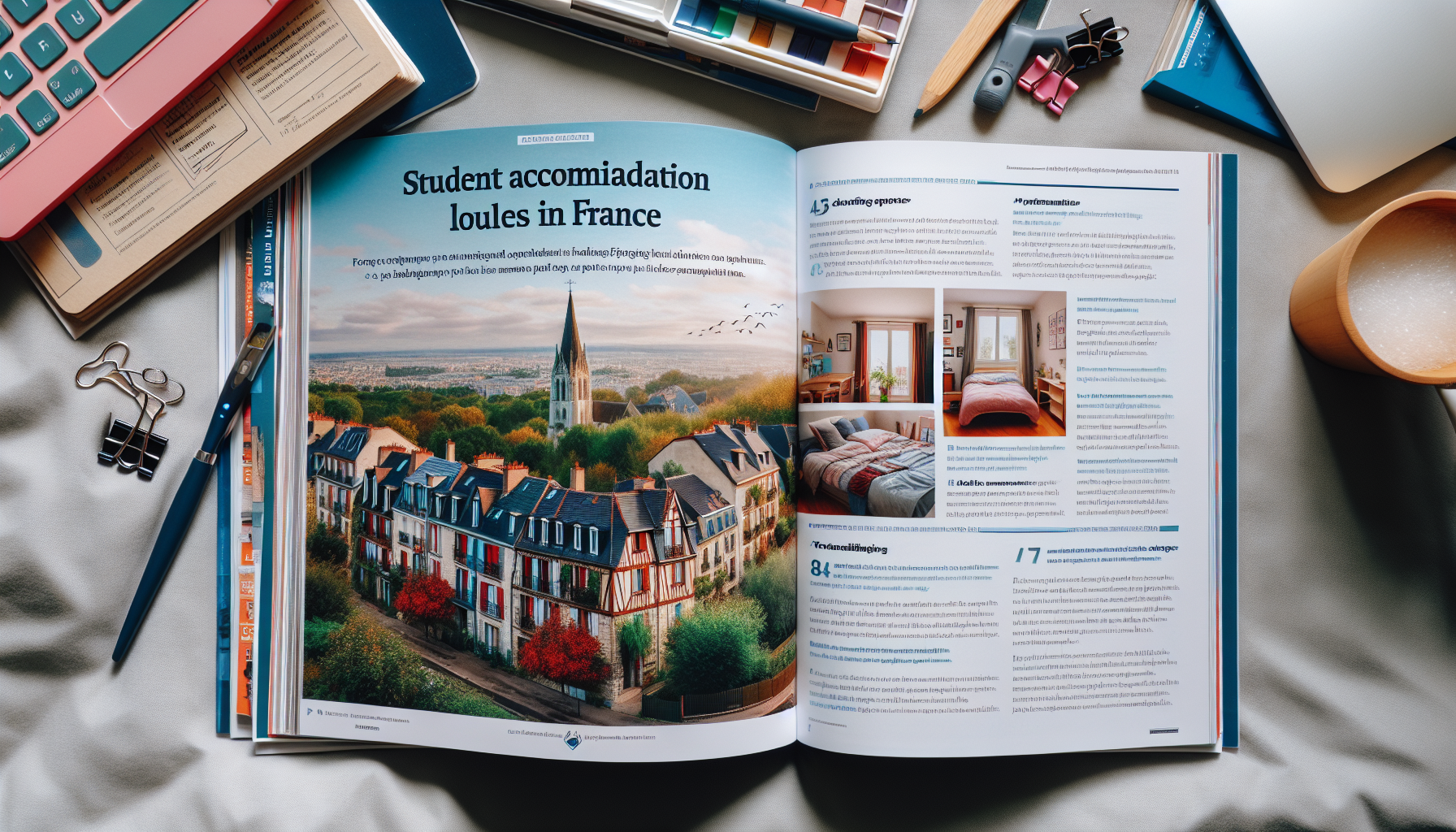
Finding accommodation in France can be an exciting yet challenging process for foreign students. A crucial step in this journey is preparing the necessary documentation to secure a rental. The following are the essential documents you must have ready when applying for student housing in France.
Proof of Identity and Legal Status
A valid passport or national ID card is the primary requirement to verify your identity. Additionally, if you are a non-EU student, you will need to present a valid residence permit (titre de séjour) or a visa that allows you to stay in France for the duration of your rental period.
Proof of Student Status
To confirm your status as a student, you will need to provide a current student ID card or an enrollment certificate from your educational institution. This document should clearly state your full name, the academic year, and the program of study.
Financial Evidence
Landlords in France typically require proof that you can afford the rent. This can include:
- A bank statement showing your financial resources
- A guarantor’s letter, if applicable, stating their willingness to cover your expenses if you fail to pay the rent
- Scholarship letters, if you are receiving financial aid
Rental History
If you have previously rented in France or elsewhere, providing references or rental history can be advantageous. This documentation should include the contact information of past landlords and may also consist of a rental ledger showing a history of timely rent payments.
Other Supporting Documents
While the above documents are the most crucial, sometimes landlords may request additional paperwork such as:
- Proof of insurance: Renters’ insurance is often required to cover potential damage to the property.
- Character references: Letters from previous landlords, employers, or educators that attest to your reliability and character.
Having these documents organized and ready to present to prospective landlords will greatly increase your chances of securing desirable student housing in France. Make sure all documents are current and translated into French if necessary, to avoid any potential misunderstandings.

Quels sont les formalités administratives pour étudier en France ?
Are you considering advancing your French skills by studying in France? Navigating the administrative formalities can be daunting. This article offers a comprehensive guide to the necessary steps and procedures for international students aspiring to study French as a Foreign…
Tips for Searching for Student Accommodation

Start Your Search Early
Beginning your search for student housing as early as possible is crucial. Ideally, start looking for accommodation several months before your semester begins. Early research gives you a broader range of options and better chances to find something that fits your preferences and budget.
Define Your Priorities
Before diving into the search, it’s important to outline what you are looking for in student accommodation. Consider factors like location, price, amenities, and room type. Decide whether proximity to the university, transportation options, or living in a vibrant community is more important to you.
Utilize Online Resources
There are numerous online platforms dedicated to helping students find housing. Websites like Student.com, Uniplaces, and local university housing portals are good starting points. These platforms often provide detailed descriptions, photos, and reviews from past tenants, which can be invaluable in your search.
Check University Housing Options
Many universities offer their own housing solutions, which can be convenient and reliable. These are typically well-suited for foreign students and might include additional support services like orientation and community events. Check your university’s website or contact the housing office directly for options and availability.
Consider Shared Accommodations
Sharing a flat or house with other students can not only reduce your living expenses but also offer a built-in social network. Look for shared accommodations in student-friendly areas. Make sure to meet potential roommates or at least chat with them online to ensure a good match.
Inspect the Property
If possible, visit the property in person before making any decisions. Check for safety features like working locks on doors and windows, smoke detectors, and a safe neighborhood. If you can’t visit in person, ask for a virtual tour or try to get in contact with someone local who can inspect the property on your behalf.
Understand the Lease Agreement
Before signing a lease, thoroughly read and understand the terms. Pay attention to the lease duration, deposit requirements, payment terms, and any rules regarding visitors, noise, and subletting. If anything is unclear, don’t hesitate to ask questions or seek advice from someone with experience in rental agreements.
Prepare the Necessary Documents
To apply for student accommodation, you’ll likely need to provide documentation such as your ID/passport, proof of student status, financial guarantees, and possibly references. Having these documents ready in advance can streamline your application process.
Stay Flexible
While it’s important to know what you want, staying flexible can sometimes lead to better housing options. Be open to exploring different areas or different types of accommodations if your ideal choice is not available. Flexibility can also be crucial when dealing with move-in dates and lease terms.
Navigating student accommodation options can be challenging, but by applying these tips and planning ahead, you can find a living situation that not only meets your needs but enhances your overall student experience. Be diligent, patient, and proactive in your search to secure the best possible accommodation.

Comment trouver un emploi étudiant en France ?
Are you an international student in France and looking to balance your French language studies with part-time work? Dive into this article to uncover practical tips and invaluable resources that will guide you through finding student employment in France. From…
Navigating Legal Requirements and Rental Agreements
Understanding Local Housing Laws
When students plan to rent accommodation, understanding the local housing laws is crucial. Different regions may have specific regulations regarding rental properties, focusing on aspects such as safety standards, tenant rights, and the responsibilities of landlords. It’s important for students to acquaint themselves with these laws to avoid unlawful conditions and disputes. For instance, in some areas, landlords are required to provide safety devices like smoke alarms and carbon monoxide detectors.
Choosing the Right Type of Rental Agreement
There are generally two types of rental agreements: fixed-term and periodic. A fixed-term agreement runs for a set duration, typically one year, and offers stability over the lease period. A periodic agreement, often referred to as a month-to-month lease, provides flexibility to both the student and the landlord. This flexibility can be beneficial for students who are uncertain about their long-term plans. Understanding the terms of these agreements helps in making an informed decision that aligns with one’s academic and personal needs.
Compare Security Deposit Requirements
Security deposits are a standard requirement in many rental agreements. This deposit acts as a financial protection for the landlord against damages or unpaid rent. Students should compare security deposit amounts, which can widely vary depending on the property and location. It’s also important to understand the conditions under which the deposit is fully refundable, ensuring that these conditions are met upon moving out to retrieve the deposit.
Negotiating Terms of the Lease
Negotiating the terms of the lease is often possible, though many students may not realize it. This can include negotiations on rent price, lease duration, and policies regarding pets or subletting. Students are encouraged to discuss these terms with potential landlords before signing the lease. Effective negotiation can lead to more favorable terms and a better understanding between the landlord and tenant.
Documentation and Paperwork
Prior to signing a rental agreement, it is imperative to thoroughly review all associated documents and paperwork. This includes checking for any clauses regarding lease termination, repairs, maintenance responsibilities, and rules about personal modifications to the space. Students should ensure all agreed terms are clearly stated in the contract to avoid future complications. Additionally, keeping a copy of all signed documents is advisable for personal records.
Legal Resources and Support
For students facing difficulties with housing laws or rental agreements, seeking legal advice can be beneficial. Many educational institutions offer resources such as legal clinics or advise sessions with lawyers specializing in tenant rights. These resources can provide guidance and support in understanding and dealing with rental agreements and disputes effectively.
Regular Updates and Compliance
Staying informed about changes in housing regulations and compliance requirements is crucial. Laws concerning student housing can evolve, and being updated can greatly help in maintaining a legal and pleasant living environment. Students should follow updates from local housing authorities or consult legal professionals to ensure ongoing compliance with local laws.
In the realm of student housing, awareness and proactive management of legal and contractual matters are essential. By thoroughly understanding and navigating the legal landscape, students can secure suitable and lawful housing, contributing positively to their academic success and personal well-being.

Quels sont les bons plans pour les étudiants étrangers en France ?
Are you an international student looking for ways to master French while studying in France? Dive into our comprehensive guide outlining essential tips, resources, and budget-friendly strategies designed to enhance your French language skills effectively. From immersive language programs to…