Comment se préparer aux examens de Français Langue étrangères (FLE) ?
Mastering a new language can be both thrilling and challenging, especially when preparing for proficiency exams. This article offers invaluable tips and strategies for acing French as a Foreign Language (FLE) exams. From understanding exam structure to enhancing language skills through various resources, we provide you with the essential tools to excel and achieve your language learning goals. Whether you’re a beginner or an advanced learner, our guidelines will help you approach your FLE exams with confidence and expertise.
Understanding Language Exam Requirements for FLE
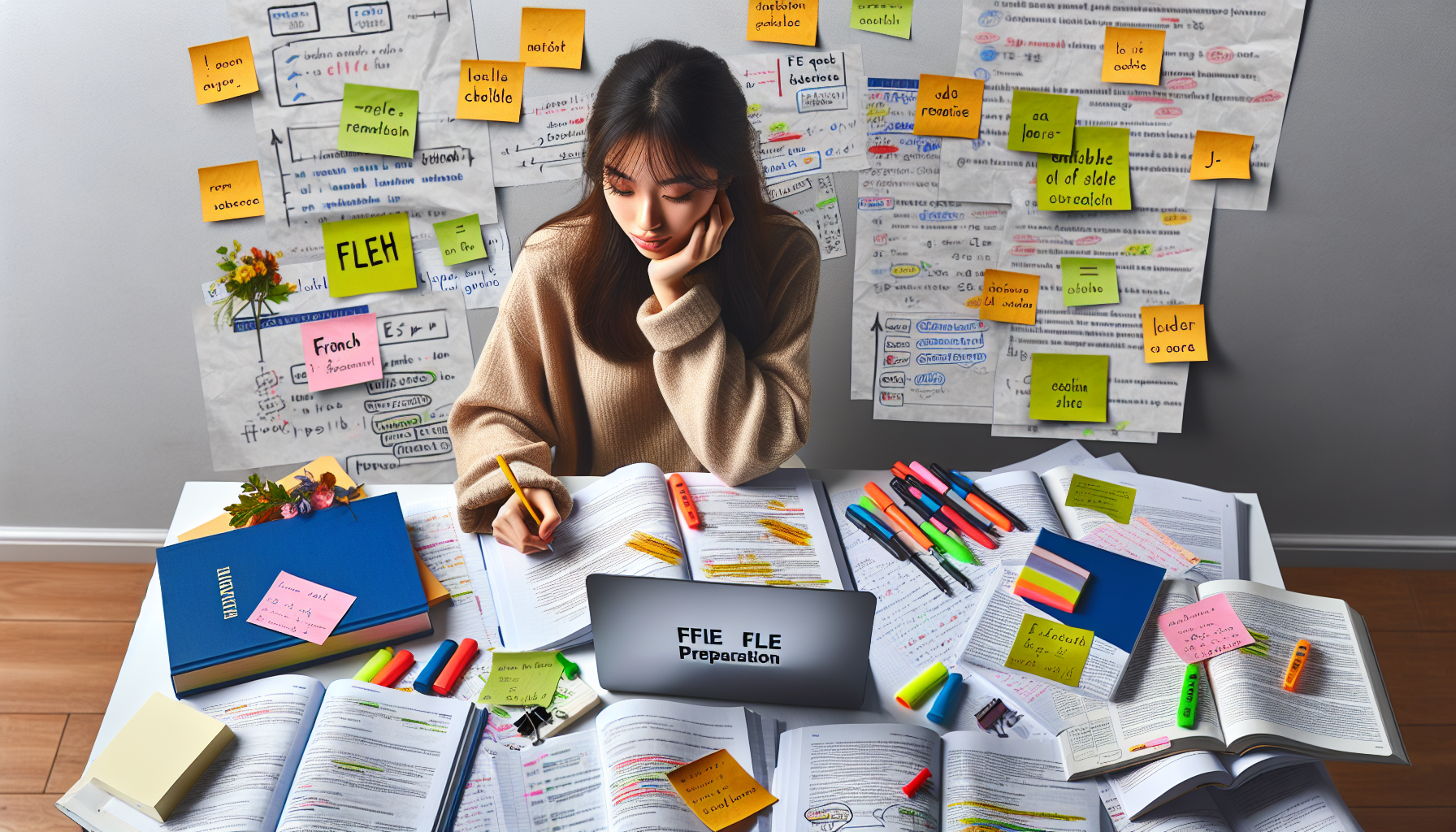
When learning French as a Foreign Language (FLE), understanding the exam requirements is crucial. These exams evaluate a non-native speaker’s proficiency in French and are often required for academic purposes, professional opportunities, or personal goals. The structure and content of these exams can vary depending on the specific certification targeted, but they generally assess four main language skills: listening, speaking, reading, and writing.
Common French Language Exams
Several recognized exams can serve as a certification of French language proficiency. The DELF (Diplôme d’Études en Langue Française) and DALF (Diplôme Approfondi de Langue Française) are the most widely acknowledged. These exams are structured across levels corresponding to the Common European Framework of Reference for Languages (CEFR), covering beginner to advanced stages (A1 to C2). Each level evaluates language skills through varied tasks that reflect real-life situations.
Exam Format and Content
The format of FLE exams typically includes several sections, each designed to test a different language skill. For example, the DELF A1 exam includes:
- Listening: Comprehension questions based on short recorded dialogues and monologues.
- Speaking: Oral expression tasks that might involve participating in a guided conversation, describing daily routines, or asking questions.
- Reading: Answering questions related to written texts that could be advertisements, menus, timetables, etc.
- Writing: Tasks such as filling in forms or writing postcards typical of daily interactions.
Higher certification levels, such as DALF C1 and C2, involve more complex tasks that require advanced analytical skills, extensive vocabulary, and proficiency in abstract writing and sophisticated argumentation.
Preparation Tips
Effective preparation is key to succeeding in FLE exams. Here are some strategic approaches:
- Understanding the format: Familiarize yourself with the specific structure of the exam you are preparing for. This helps in managing time effectively during the actual test.
- Practice regularly: Consistent practice across all four language skills is essential. Utilize resources like sample papers, online exercises, and French language learning apps.
- Take formal courses: Enrolling in courses at institutions specializing in FLE can provide structured learning and personalized feedback from experienced instructors.
- Immerse yourself in the language: Engaging regularly with native speakers and consuming French media can significantly boost understanding and fluency.
Assessment Criteria
The assessment criteria for FLE exams focus on the ability to communicate effectively in French. Examiners look for:
- Grammatical accuracy: Correct use of sentence structures and verb tenses.
- Vocabulary range: The ability to use varied vocabulary appropriately in different contexts.
- Coherence and cohesion: Logical organization of ideas and the use of connectors to link sentences and paragraphs smoothly.
- Interaction: The ability to engage in conversations, ask relevant questions, and respond appropriately.
Knowing and targeting these criteria during preparation will enhance your chances of passing the exam with a higher proficiency rating.
Focusing on Long-term Improvement
While immediate exam preparation is important, long-term engagement with the French language will bring substantial benefits. This continual exposure to the language will not only improve current exam scores but also build a robust foundation for any future learning or usage scenarios of French.
Whether for advancing one’s education, enhancing professional opportunities, or enriching personal development, mastering French can open numerous doors to multicultural experiences and global understanding.
Quels sont les examens de Français Langue étrangères (FLE) reconnus internationalement ?
Embarking on a journey to master French as a Foreign Language (FFL)? Understanding the landscape of internationally recognized FFL exams is crucial. This article delves into the various FFL exams available, highlighting how each is structured, recognized, and best suited…
Effective Study Strategies for Mastering FLE

Learning French as a foreign language poses unique challenges, but with the right approach and strategies, mastering it becomes much more feasible. Whether starting from scratch or looking to enhance your proficiency, these strategies are designed to optimize your learning experience and achieve fluency.
Immerse Yourself in the Language
Immersion is key to learning any language effectively. Surround yourself with French through various mediums such as music, films, and books. Try to think and even internalize everyday thoughts in French. This continuous exposure reinforces learning and aids in faster assimilation of the language.
Regular Practice with Native Speakers
Interaction with native speakers is invaluable. Engage in conversation exchanges, which can be facilitated by language meetups or online platforms. Conversing with native speakers enhances your listening skills, expands your vocabulary, and improves your pronunciation.
Structured Learning with French Courses
Enrolling in a structured French course can provide clear guidance and organized learning materials, which are crucial for building a strong foundation. Courses often cover grammar, vocabulary, pronunciation, and listening skills comprehensively, and they offer the guidance of experienced instructors.
Utilize Online Resources and Apps
Online resources and applications like language learning apps provide interactive and flexible learning options that can be tailored to individual needs. These platforms often feature exercises that focus on writing, speaking, reading, and comprehension, making them a versatile tool in your language learning arsenal.
Set Realistic Goals
Setting achievable, clear goals can significantly help in keeping you motivated and on track with your language learning journey. Start with small, manageable goals and gradually increase the complexity as you improve.
Incorporate French into Your Daily Routine
Incorporating French into your daily activities can make learning less daunting and more practical. Label items in your home with their French names, try cooking French recipes while following instructions in French, or write your shopping lists in French. These small practices can make a big difference in your fluency and comfort with the language.
Consistent Review and Practice
Consistency is crucial when learning a new language. Regularly review past lessons to solidify your understanding and retain information. Daily practice, even for short periods, can be more effective than long, infrequent sessions.
Engage with French Cultural Context
Understanding cultural context can enhance your language learning by providing insights into the usage of certain expressions and linguistic styles. Participate in French cultural activities, watch French news, and follow French social media channels to gain a deeper understanding of the nuances of the language.
Feedback and Correction
Don’t be afraid to make mistakes, as they are an essential part of the learning process. Seek feedback from teachers, peers, or language partners and focus on correcting errors to refine your language skills.
Patience and Persistence
Learning a language is a gradual process that requires patience and persistence. Challenges will arise, but with determination, the progress you make will keep you motivated to continue improving.
By employing these strategies, learners will not only enhance their French skills but also enjoy the rich experiences that come with understanding a new language and culture.

Où passer les tests de Français Langue étrangères (FLE) ?
Are you seeking to master French as a Foreign Language (FLE) and require information on where to take your proficiency exams? Our comprehensive guide will provide you with all the necessary details about the best locations worldwide to take your…
Resources and Tools to Enhance Your French Skills

French as a Foreign Language: Resources and Tools to Enhance Your French Skills
Learning French as a foreign language can be an enriching experience, opening doors to cultural exchanges and personal growth. There are numerous resources and tools available that cater specifically to the needs of language learners. These resources help improve grammar, vocabulary, listening, and speaking skills, which are crucial for mastering French.
Comprehensive Online Courses
Online courses are a flexible and accessible option for learning French. Platforms such as the French Institute’s online courses offer structured learning from beginner to advanced levels. These courses often include a mix of video lessons, interactive exercises, and regular assessments to track progress. Additionally, they may provide opportunities for live interaction with instructors, giving students the advantage of real-time feedback and guidance.
Interactive Language Apps
Language learning apps are a perfect tool for learners who are on the go. Apps like Duolingo, Babbel, and Memrise make learning French fun and engaging through gamified learning experiences. They allow learners to practice vocabulary, pronunciation, and grammar in bite-sized lessons that can fit into any schedule. These apps also use spaced repetition systems to enhance memory retention of new words and rules.
French Media Resources
Engaging with French media, such as movies, music, podcasts, and books, is an effective way to immerse oneself in the language and culture. Watching French films or listening to French radio stations can help improve listening skills and comprehension. Podcasts such as « Coffee Break French » or « FrenchPod101 » are geared specifically towards French learners and cover various topics from daily conversations to more complex discussions featuring native speakers.
Language Exchange Programs and Tandem Partners
Pairing up with a native French speaker is a useful method to practice speaking and listening in a natural setting. Language exchange platforms like Tandem or HelloTalk facilitate these partnerships, allowing learners to connect with native speakers around the world. Through regular conversations, language learners can enhance their fluency and gain insights into cultural nuances directly from a native perspective.
French Grammar and Vocabulary Tools
Tools focused on grammar and vocabulary are essential for those who wish to deepen their understanding of French language structures. Websites like BonPatron for grammar checking and Reverso for context-based translations aid learners in writing correctly. Using flashcard apps like Anki or Quizlet can also help students memorize and revise French vocabulary effectively.
Participation in French Language Forums and Online Communities
Online communities and forums dedicated to French language learning can be incredibly supportive. Platforms such as Reddit’s r/French and the WordReference forums allow learners to pose questions, share resources, and receive feedback from fellow language enthusiasts and experts. These communities are valuable for overcoming common learning challenges and for staying motivated throughout the learning journey.
In conclusion, a variety of resources and tools are available to enhance your skills in French as a foreign language. Combining different approaches such as online courses, interactive apps, and engaging with native content can provide a well-rounded and effective learning experience. Embracing these tools will not only aid in achieving fluency but also deepen an understanding of the rich French culture.
Quels sont les avantages d’obtenir une certification en Français Langue étrangères (FLE) ?
Are you looking to enhance your French language skills and gain a competitive edge? Obtaining a French as a Foreign Language (FLE) certification can open up new opportunities for education and career advancement. This article explores the numerous benefits of…
Practical Tips for FLE Exam Day Success
Understanding the Format of Your FLE Exam
Before the day of your French as a Foreign Language (FLE) test, it’s essential that you familiarize yourself with the exam format. Different institutions might have varying structures, but commonly, FLE exams include sections on reading comprehension, written expression, listening comprehension, and oral interaction. Knowing the format in advance will help you manage your time effectively during the test.
Time Management Strategies
Time management is a crucial skill to master for FLE success. Make sure to allocate enough time to each section according to its weight in the total score. A good strategy is to tackle the sections you find most challenging first, while your mind is freshest. Always leave a few minutes at the end of each section to review your answers.
Practical Studying Before the Exam
In the weeks leading up to the exam, regular and structured study sessions are critical. Utilize a variety of study resources including books, online courses, and interactive tools to diversify your learning methods. Take regular practice tests to assess your understanding and simulate exam conditions, which will help you become comfortable with the timing and pressure of the actual test day.
The Night Before and Morning of the Exam
Ensure you get a good night’s sleep before the exam day. Avoid studying too intensely right before the test as this can lead to burnout and fatigue. Start your day with a nutritious breakfast and make sure to arrive at the exam venue early to avoid any last-minute stress. Bring all necessary materials, like identification documents, pens, and possibly a watch to keep track of time without depending on the exam room clock.
Maintaining Calm and Focus During the Exam
Once the exam begins, keep calm and stay focused. Read the instructions carefully for each section and question. If you begin to feel overwhelmed, take a short moment to breathe deeply and refocus on the task at hand. Remember that it’s okay to skip a question and return to it later if you’re struggling to answer it right away.
Effective Use of the Allowed Time
Use the allotted time wisely. For instance, if the oral section allows preparation time, use it to organize your thoughts succinctly. In writing tasks, outline your answers before starting to write to ensure coherence and clarity in your responses. Always spare a few minutes towards the end of each test section to review your answers and make necessary corrections.
Adapting to Unexpected Situations
Exam day might come with its set of unforeseen challenges like feeling unwell or external distractions. It’s essential to adapt and stay composed. If you encounter something unexpected that impacts your ability to perform, calmly ask the invigilator for assistance or guidance.
By following these practical tips and thoroughly preparing, you can approach your French as a Foreign Language exam with confidence. Remember, the key to success lies in effective preparation, a calm mindset, and strategic time management.