Pourquoi apprendre le Français Langue étrangères (FLE) ?
Learning French as a Foreign Language (FLE) opens a world of opportunities, enhancing both your personal and professional growth. From accessing rich cultural treasures to boosting career prospects in international arenas, mastering French can profoundly transform your global understanding and interactions. Dive into the reasons why embarking on this linguistic journey can be one of the most rewarding decisions you make. Join us as we explore the myriad benefits of learning French as a foreign language.
Enhancing Career Opportunities through FLE Learning

Learning French as a Foreign Language (FLE) is not just about mastering a new way of communicating; it’s about opening doors to diverse career opportunities across the globe. In an increasingly globalized world, proficiency in multiple languages is a significant asset. French, being one of the most spoken languages worldwide, holds a special place in international business, diplomacy, and cultural exchanges.
Global Job Markets and French Proficiency
Knowledge of French can significantly enhance your attractiveness to potential employers, especially in multinational companies. For instance, sectors such as fashion, culinary arts, and luxury goods often prefer or require fluency in French. Additionally, organizations like the United Nations, the European Union, and various NGOs value candidates who are proficient in French due to their extensive operations in French-speaking regions.
The Edge in Diplomacy and International Relations
For those aspiring to a career in diplomacy or international relations, French is considered a pivotal asset. Being one of the official languages of many international courts and tribunals, French language proficiency allows for direct engagement with key documents and debates without the need for translation. This skill not only enhances efficiency but also positions candidates as pivotal assets in negotiations and policy-making processes.
Cultural Competence in the Workplace
Learning FLE goes beyond mere words and grammar. It includes an understanding of cultural nuances that are crucial in business and everyday interactions. Cultural competence can significantly reduce the potential for miscommunications and improve collaborative efforts among teams. This is particularly important in fields such as tourism and hospitality, where understanding your clientele’s cultural background can enhance their experience and satisfaction.
Educational and Professional Development Opportunities
Enhancing your command of French can also open up further educational opportunities. Many prestigious institutions in French-speaking countries offer exclusive courses in various fields that require fluency in French. Additionally, professionals seeking continuous education can find seminars, workshops, and conferences that are either conducted in French or require a high level of comprehension of the language.
Networking and Professional Growth
Fluency in French also expands your professional network. Participating in French-speaking conferences, seminars, and business networks can connect you with influential industry leaders and peers, furthering your professional growth. This can lead to exposure to new job opportunities and collaborations that might not be accessible otherwise.
Overall, learning French as a Foreign Language cultivates a unique set of skills and offers tremendous advantages in a variety of professional spheres. Whether your interests lie in the arts, science, business, or humanitarian efforts, French proficiency can elevate your career potential and help you stand out in a competitive job market.

Comment apprendre le Français Langue étrangères (FLE) efficacement ?
Embarking on the journey to master French as a Foreign Language (FLE) can be both thrilling and challenging. In this article, we delve into effective strategies tailored to enhance your learning experience, ensuring you grasp French faster and more efficiently.…
Cultural Enrichment and Global Understanding
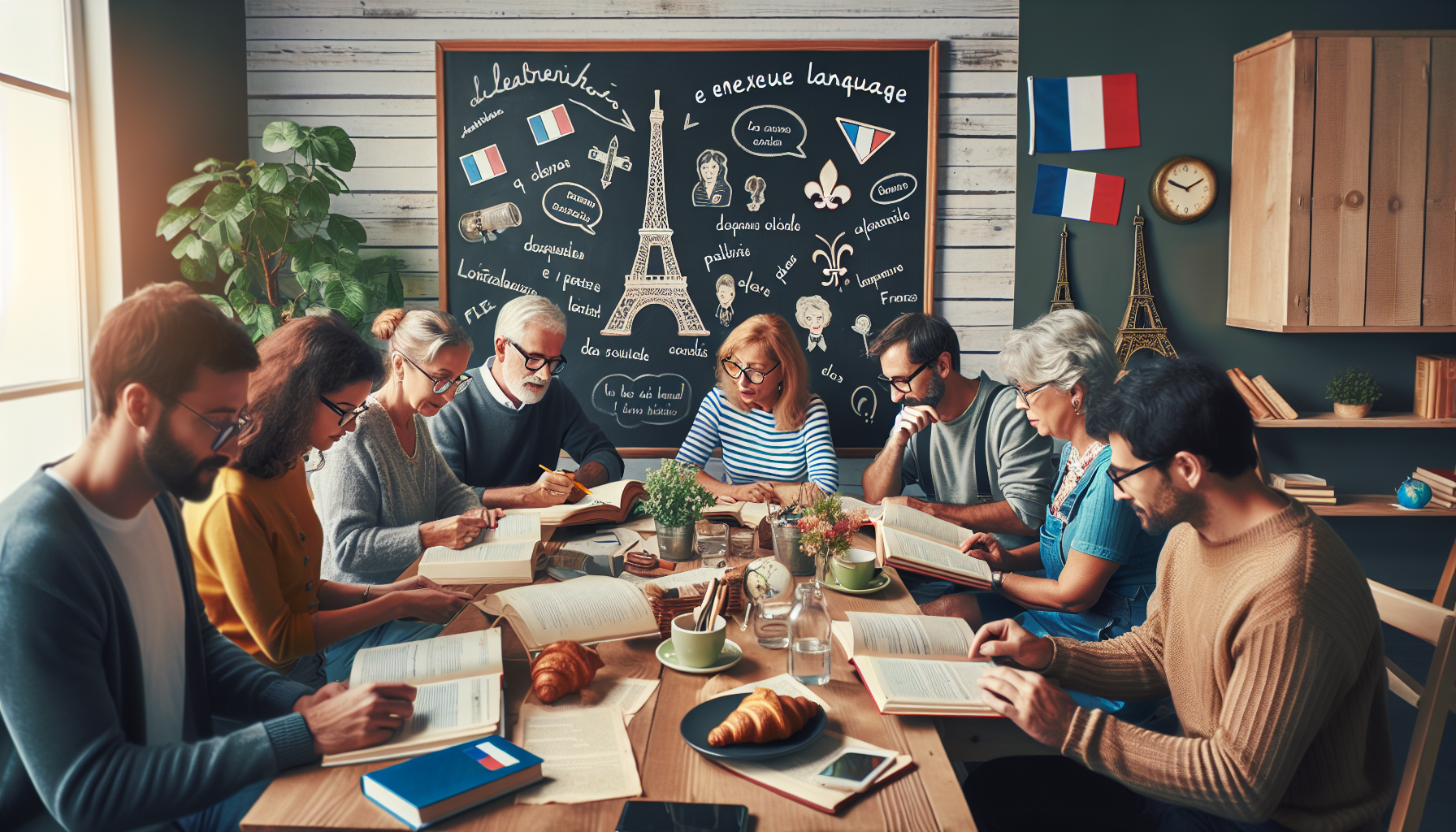
Embarking on the journey of learning French as a Foreign Language (FLE) opens up a world of cultural richness and enhances global comprehension. This venture not only allows learners to acquire a new language but also deeply embeds them into the captivating French culture, promoting a broader understanding of global dynamics and cultural diversity.
Exploring the Depth of French Culture
French is not just a language; it’s a passport to one of the world’s richest cultures. From the historical nuances of French art and literature to contemporary French cinema and culinary arts, learning French provides learners with a unique lens through which they can view and appreciate these cultural artifacts. Engaging with French language and culture enables learners to experience the beauty of French poetry, the depths of French philosophy, and the delight of French cuisine, all of which contribute to a well-rounded understanding of this global culture.
The Role of Language in Global Understanding
Language is a fundamental component of communication and understanding across different cultures. By learning French, students not only gain new linguistic skills but also develop empathy and a broader perspective of the world. This linguistic proficiency allows for more meaningful interactions with French-speaking individuals and communities globally, fostering better international relationships and cooperation. Whether it’s in business, diplomacy, or social interactions, the advantages of being able to communicate in French are immense.
Learning French as a Gateway to Other Languages
French is a Romance language, closely related to other languages in the same family such as Spanish, Italian, and Portuguese. Learning French often paves the way for learners to pick up these other languages more easily due to shared vocabulary, grammar structures, and linguistic roots. This makes French an excellent choice for those aiming to become multilingual, thereby enhancing their cognitive abilities and cultural agility.
Practical Benefits of Learning French in Today’s Globalized World
In today’s interconnected world, being bilingual or multilingual can be a huge advantage. French, being one of the official languages in numerous international bodies such as the UN, EU, and NATO, holds significant importance. Learning French not only boosts career opportunities but also opens up educational prospects across the French-speaking world. Moreover, for those engaged in international travel, knowing French can transform the travel experience, allowing for deeper engagement with local cultures.
Enhanced Cognitive Skills through Language Learning
Studies have shown that learning a second language improves cognitive and problem-solving abilities. The process of learning French challenges the brain, enhances memory, and promotes better decision-making skills. Additionally, it increases cultural intelligence, making individuals more adept at navigating diverse cultural scenarios, which is particularly beneficial in multicultural settings.
In essence, learning French as a Foreign Language serves not only as an educational tool but also as a cultural bridge contributing to global understanding and interaction. By immersing oneself in the French language, one immerses in a global community, enhancing both personal and professional growth.
Où apprendre le Français Langue étrangères (FLE) en ligne ?
Are you eager to master French as a Foreign Language (FLE) but unsure where to start? Dive into our comprehensive guide where we unveil the top online platforms and resources that make learning French accessible, interactive, and enjoyable. Whether you’re…
Navigating the Francophone World with Ease

The Francophone world is vast and diverse, covering every continent and including countries as varied as Belgium, Senegal, Canada, and Vietnam. For those studying French as a Foreign Language (FLE), the ability to navigate these varied cultures through the French language can open numerous doors to personal and professional opportunities. At the French Institute in Aix-en-Provence, we prepare our students not just to communicate, but to connect deeply with Francophone cultures worldwide.
Understanding Cultural Nuances
French is more than just a means of communication; it is a gateway to rich cultures. Each Francophone country has its own distinct culture and customs. For example, the French in France is quite formal compared to Canadian French, which is generally more informal and influenced by English. In African countries like Senegal, French is often mixed with local languages, adding another layer of complexity. Our curriculum at the French Institute includes comprehensive cultural training which allows students to not only learn the language, but also understand the cultural contexts in which it is used.
Mastering Regional Varieties of French
French varies widely across different regions of the Francophone world. One of our focuses at the French Institute is coaching students on these regional differences. This training includes listening practices, which involve exposure to various accents and dialects found across the Francophone world. Such practices help students become more adaptable and effective communicators in different French-speaking regions.
Practical Language Application
Knowing the language theoretically is different from applying it practically. To help bridge this gap, we incorporate real-world application in our teaching methods. This includes interactive role-play scenarios, discussions on current global issues in the Francophone world, and practical tasks such as ordering food in French, asking for directions, or setting up an interview. These exercises prepare our students for actual situations they might encounter in any Francophone environment.
Utilizing Technology to Aid Learning
At the French Institute, we leverage technology to simulate immersive experiences. Our use of interactive software, video calls, and virtual reality allows students to experience different parts of the Francophone world virtually. This exposure is crucial in understanding not just the language, but also the lifestyle, etiquette, and business practices prevalent in different French-speaking countries.
Whether preparing for a visit to Switzerland, applying for a job in Quebec, or planning to do business in Africa, our comprehensive FLE courses equip students with the linguistic tools and cultural fluency necessary to navigate the Francophone world with ease. We believe in a world where language barriers are transformed into bridges of cooperation, understanding, and mutual respect. Embrace the journey of learning French with us, and expand your global horizons.

Quels sont les niveaux de compétence en Français Langue étrangères (FLE) ?
Are you curious about your proficiency level in French as a Foreign Language (FLE)? Whether you are a beginner or aiming to polish your advanced skills, understanding the different levels of competency in FLE can greatly enhance your learning journey.…
Accessing Rich Literary and Artistic Heritage
French literature and art stand as pillars of the country’s rich cultural heritage, offering a window into the historical, social, and psychological landscape of France. Through their globally influential movements and iconic figures, French literature and art not only enhance aesthetic appreciation but also deepen understanding of the human condition and societal structures.
The Evolution of French Literature
The journey of French literature begins in the medieval period with texts like « La Chanson de Roland, » which reflects the valor and chivalry of its era. The Renaissance brought a surge of development in poetic forms, seen in the works of Pierre de Ronsard and Michel de Montaigne. The 17th century, known for its strict codes of propriety and emphasis on reason, gave us classics by authors such as Molière, whose comedies like « Tartuffe » skewer social pretensions and hypocrisy. Moving into the dynamic landscapes of the 18th and 19th centuries, French literature responded to the social upheavals with the Romantic works of Victor Hugo and the realist novels of Gustave Flaubert. Modern and contemporary French literature has continued to evolve, featuring both the existential musings of writers like Albert Camus and the intricate narratives of contemporaries such as Michel Houellebecq.
Key Movements in French Art
French art echoes the rich timeline of its literary counterparts, marked by groundbreaking movements that have influenced global art scenes. The Renaissance unleashed a wave of artistic creativity exemplified by the Fontainebleau School’s intricate mannerist styles. The 19th century heralded Impressionism, with artists like Claude Monet and Edgar Degas, who broke conventional norms to capture fleeting moments and effects of light. This evolution continued with Post-Impressionists such as Paul Cézanne and Georges Seurat, leading the way to modern developments, including Cubism pioneered by Pablo Picasso and Georges Braque. French contemporary art has been equally vibrant, characterized by conceptual art and a reflection on modern societal issues through a diverse range of media.
Influential Figures in French Cultural History
France’s cultural landscape has been shaped by numerous key figures who left indelible marks through their revolutionary ideas and artworks. Voltaire and Jean-Jacques Rousseau forged new paths in philosophical thought and literature during the Enlightenment. In art, figures like Henri Matisse and René Magritte transformed perceptions and opened new vistas in artistic expression. Jean-Paul Sartre and Simone de Beauvoir, icons of the existential philosophy, contributed to both the literary and intellectual realms with their insightful analyses on human freedom and societal norms.
Impact of French Culture on Global Arts and Thought
The influence of French literature and art extends far beyond the hexagon’s borders. The philosophical ideals of the Enlightenment fueled revolutionary thoughts worldwide. In the realm of art, Impressionism and its successors altered the course of visual arts globally, influencing various movements and encouraging a break from traditional forms. Today, French language and culture are pivotal in academic and cultural institutions around the world, underlining France’s continued impact on global arts and culture.
Experiencing French Culture Today
Today, French culture can be experienced through a plethora of channels. Museums such as the Louvre and Musée d’Orsay offer extensive collections that traverse centuries of French art. Literature enthusiasts can delve into the world of French letters through classic and contemporary works, many of which are taught and enjoyed around the world. Additionally, film, music, and fashion continue to display the vibrancy of French culture, weaving the rich past with innovative present trends and allowing a broader audience to appreciate the depth and breadth of French artistic heritage.